Unlock Your Gut Health: Probiotics, Prebiotics, and Your Microbiome Explained
Key takeaways
- I used to think my gut was just a passive passenger, along for the ride.
- Then came that awful bloating spell after Thanksgiving dinner a few years back, which lasted for *days*.
- Track what feels sustainable and adjust gradually.
I used to think my gut was just a passive passenger, along for the ride. Then came that awful bloating spell after Thanksgiving dinner a few years back, which lasted for *days*. It made me realize how much I was ignoring a crucial part of my overall wellness. That's when I started diving deep into the fascinating world of your gut microbiome. Learning about probiotics, prebiotics, and how they work together has been a game-changer for me, and I want to share that with you. Understanding and nurturing your gut health is the foundation for so much more than just digestion; it impacts your energy, your mood, and even your immune system. Let's unlock your gut health together!
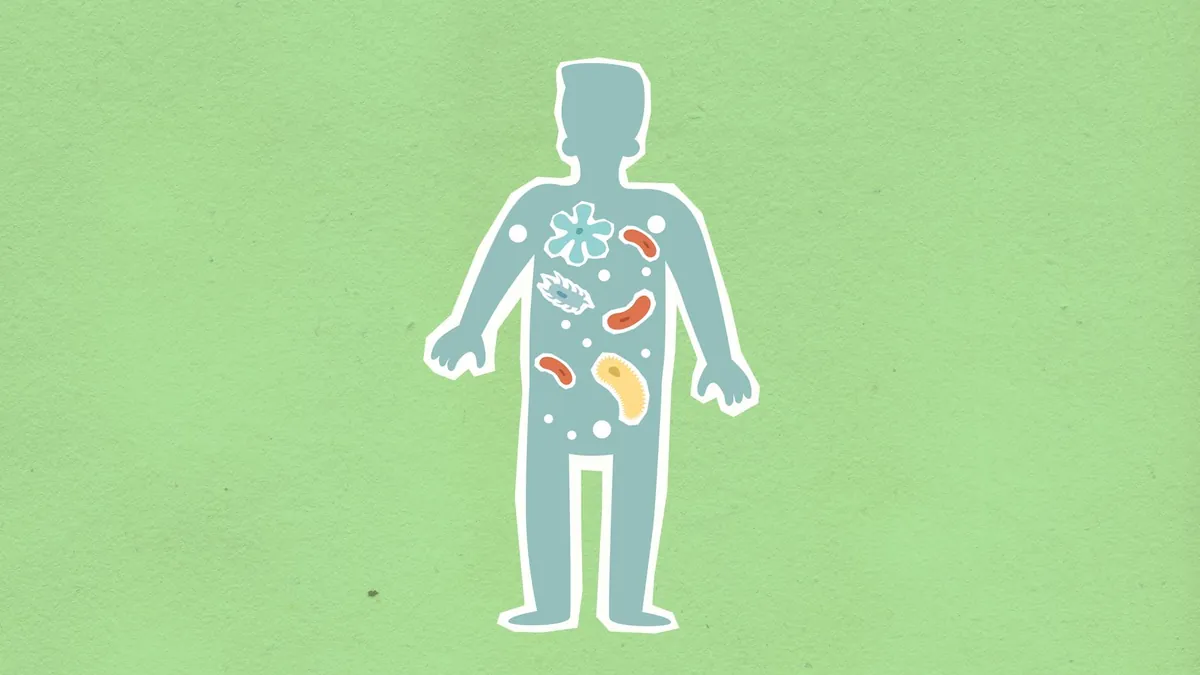
Think of your gut microbiome as a bustling city inside you, teeming with trillions of bacteria, fungi, and other microbes. It's not all bad guys; many of these residents are essential workers, helping you break down food, absorb nutrients, and even produce vitamins. When this city is out of balance – too many of the 'bad' guys and not enough of the 'good' – you can feel it. This imbalance, often called dysbiosis, can lead to digestive issues like bloating, gas, and discomfort, but its effects can ripple far beyond your stomach.
So, how do we keep this internal city running smoothly? Enter probiotics and prebiotics. Probiotics are the live beneficial bacteria and yeasts themselves, often found in fermented foods. They're like the friendly residents that help keep the peace and do important jobs. Prebiotics, on the other hand, are the special types of fiber that feed these good bacteria. They're the infrastructure and resources that help the good guys thrive. You need both for a truly thriving gut microbiome.
I've found that incorporating these into my diet doesn't have to be complicated. For probiotics, think yogurt with live and active cultures (check the label!), kefir, sauerkraut, kimchi, and even some aged cheeses. I started small, maybe a spoonful of sauerkraut with my eggs or a small glass of kefir in the morning. It felt less overwhelming than trying to overhaul everything at once. For prebiotics, it's all about fiber-rich foods. Onions, garlic, leeks, asparagus, bananas (especially slightly green ones!), oats, and apples are fantastic sources. I make sure to add these to my meals regularly. A simple way to boost prebiotic intake is to add a clove of garlic or some chopped onion to whatever I'm cooking, or to have an apple as a snack.
Beyond digestion, a healthy gut microbiome is increasingly linked to other aspects of our well-being. Studies suggest a connection between gut health and mood. The gut-brain axis is a real thing, and the communication between your digestive system and your brain can influence how you feel. When my gut was out of whack, I noticed I was more irritable and sluggish. Improving my gut health definitely had a positive impact on my mental clarity and overall mood. It's a wonderful example of how a related healthy tip can have widespread benefits.
Boosting your immune system is another huge win. A significant portion of your immune system resides in your gut. Nurturing your gut lining and supporting a diverse microbiome can help your body better defend itself against pathogens. Think of it as fortifying your internal defenses. This is another practical guide to consider for your wellness journey.
It's easy to get caught up in the perfection of wellness trends, but I've learned that consistency beats intensity every time. Don't aim for a complete gut overhaul overnight. Small, sustainable changes are key. Maybe it's adding one probiotic-rich food daily or ensuring you have at least one prebiotic-rich vegetable with dinner. This approach helps you stay consistent with this.
The 2-Minute Win
Grab a plain, unsweetened yogurt (check for "live and active cultures") and stir in a teaspoon of honey or a sprinkle of chia seeds. Enjoy it right now!
I also discovered that sometimes, the simplest solutions are the most overlooked. For instance, when I travel, my gut often rebels. I've started packing a small container of kimchi or a probiotic supplement to help keep things stable. It’s a small step, but it makes a big difference in how I feel. This is a similar wellness insight that has helped me.
My personal pro-tip for boosting prebiotic intake without drastically changing your diet is to simply add more alliums – onions, garlic, leeks, and shallots – to your cooking. They're flavor powerhouses and packed with prebiotic fiber. Sautéing them until they're soft and sweet can even make them more palatable for picky eaters.
Remember, this journey is personal. What works for me might need tweaking for you. Listen to your body, be patient, and celebrate the small victories. Exploring more gut guides can offer additional support.
Educational only — not medical advice.
Recommended Reading
- Can Fermented Foods Improve Digestion? Plus Fiber & Meal Timing Tips
- Can Meal Timing Improve Gut Health? The Fiber and Fermented Foods Connection
- Fiber vs. Fermented Foods: Which Boosts Gut Health?
More in gut
 gut
gutPersonalized Nutrition for Optimal Gut Health: Your Custom Blueprint
Unlock optimal gut health with personalized nutrition. Discover how tailoring your diet to your unique microbiome can tr
Read article → gut
gutMindful Eating: Boost Digestion & Gut Health
Discover how Mindful Eating can boost digestion & gut health. Reduce bloating and foster a healthier microbiome by recon
Read article →Related posts
gutPersonalized Nutrition for Optimal Gut Health: Your Custom Blueprint
Unlock optimal gut health with personalized nutrition. Discover how tailoring your diet to your unique microbiome can tr
Read article →gutMindful Eating: Boost Digestion & Gut Health
Discover how Mindful Eating can boost digestion & gut health. Reduce bloating and foster a healthier microbiome by recon
Read article → gut
gutFermented Foods: Your Practical Gut Reset
Discover how to easily incorporate traditional fermented foods into your US diet for a healthier gut and overall well-be
Read article →