Can Meal Timing Improve Gut Health? The Fiber and Fermented Foods Connection
Key takeaways
- We often focus on what we eat for gut health – think fiber-rich veggies and tangy fermented foods.
- But when we eat might be just as crucial.
- Focus on: Your Gut's Daily Rhythm Matters.
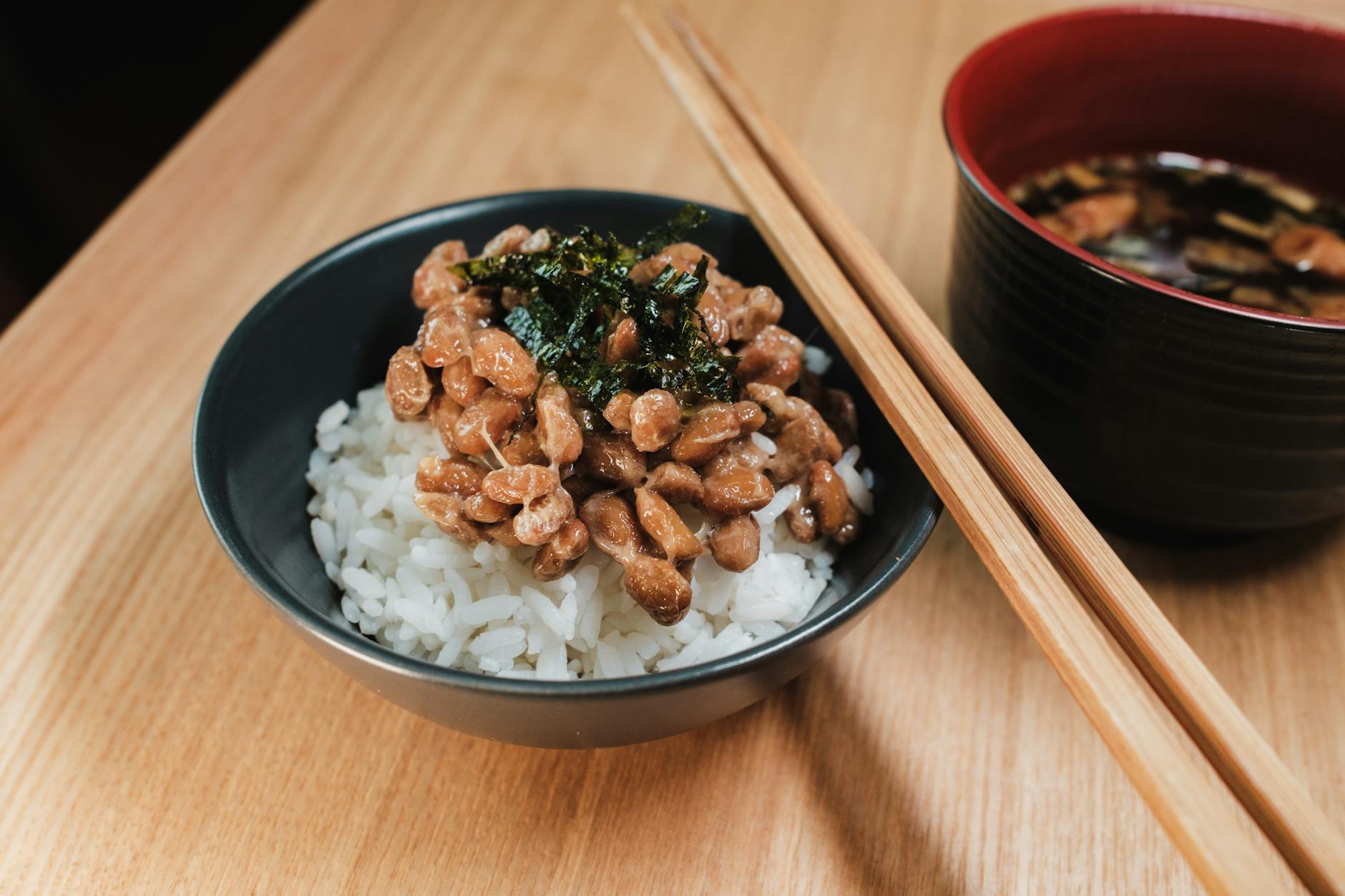
Your Gut's Daily Rhythm Matters
We often focus on what we eat for gut health – think fiber-rich veggies and tangy fermented foods. But when we eat might be just as crucial. Your digestive system operates on a natural clock, and syncing your meals with this rhythm could unlock a healthier gut.
Let's explore how strategically timed meals, alongside the power of fiber and fermented foods, can make a real difference. Educational only — not medical advice.
The Fiber Factor: Fueling Your Gut Microbes
Fiber is the unsung hero of gut health. It acts as food for your beneficial gut bacteria, helping them thrive and produce short-chain fatty acids (SCFAs). SCFAs are vital for maintaining the gut lining and reducing inflammation. Aim for a variety of fiber sources like:
- Fruits (berries, apples, pears)
- Vegetables (broccoli, Brussels sprouts, leafy greens)
- Whole grains (oats, quinoa, brown rice)
- Legumes (beans, lentils, chickpeas)
Increasing fiber intake gradually is key to avoid digestive discomfort. Consider adding a small serving of beans to your salad or swapping white bread for whole wheat. You can learn more about boosting fiber in our guide to plant-based proteins.
Fermented Foods: Introducing Beneficial Bacteria
Fermented foods are packed with probiotics – live beneficial bacteria that can help diversify and strengthen your gut microbiome. Incorporating them regularly can support digestion and immune function.
- Yogurt (look for 'live and active cultures')
- Kefir
- Sauerkraut (unpasteurized)
- Kimchi
- Kombucha
Start small, perhaps with a spoonful of sauerkraut or a small glass of kefir, to see how your body responds. For more ideas, check out our article on probiotic-rich foods.
Meal Timing: Listening to Your Body's Clock
Our bodies have an internal clock, or circadian rhythm, that influences digestion. Eating large meals late at night, when your digestive system is winding down, can be less efficient and may disrupt your gut.
The 12-Hour Overnight Fast
Many experts suggest aiming for a 12-hour overnight fasting window. This means finishing your dinner at least 2-3 hours before bed and not eating again until breakfast the next morning. This practice gives your digestive system a much-needed break, allowing it to repair and reset.
Real-life example: Sarah used to eat dinner at 9 PM and snack before bed. After adopting a 12-hour fast, finishing dinner by 7 PM, she noticed less bloating and improved regularity within a few weeks. She found that planning her evening meals earlier made this easier.
Consistency is Key
Try to eat your meals around the same times each day. This consistency helps regulate your digestive enzymes and hormones, supporting smoother digestion. For more on establishing healthy routines, see our tips for building healthy habits.
Putting It All Together: Your Gut Health Checklist
Ready to give your gut some extra love? Try this simple checklist:
Actionable Steps:
- Increase Fiber Gradually: Add one new high-fiber food to your diet each week.
- Incorporate Fermented Foods: Aim for a small serving of one fermented food daily.
- Establish a Eating Window: Try for a 12-hour overnight fast, finishing meals earlier.
- Stay Hydrated: Drink plenty of water throughout the day.
- Mindful Eating: Eat slowly and chew your food thoroughly.
Common Mistakes to Avoid
- Sudden Fiber Overload: Dramatically increasing fiber intake too quickly can cause gas, bloating, and discomfort.
- Ignoring Food Sensitivities: While fermented foods are great, some people may react to certain types. Pay attention to your body.
- Late-Night Eating: Consistently eating heavy meals close to bedtime can disrupt sleep and digestion.
Supporting Your Gut from Within
Sometimes, our gut needs a little extra support. While lifestyle changes are foundational, targeted supplements can complement your efforts. For those looking to bolster their gut health, a daily synbiotic capsule can be a convenient way to introduce beneficial bacteria and prebiotics. You can explore options like the Daily Synbiotic Capsule to see if it fits your wellness goals.
Remember, consistency is more important than perfection. Small, sustainable changes can lead to significant improvements in your gut health over time. For more on supporting your overall well-being, check out our guide to stress management and sleep hygiene tips.
Frequently Asked Questions
How much fiber do I really need?
Most adults in the U.S. need about 25-30 grams of fiber per day, but many fall short. Focus on increasing intake gradually from whole foods.
Can I eat fermented foods if I'm lactose intolerant?
Many fermented dairy products like yogurt and kefir are lower in lactose. Non-dairy options like sauerkraut and kimchi are also excellent choices.
Is a 12-hour fast too long?
For most people, a 12-hour overnight fast is a healthy and sustainable goal. It allows your body adequate rest time. Listen to your body and consult a healthcare provider if you have concerns.
What if I don't like the taste of fermented foods?
Start with milder options like plain yogurt or kefir. You can also add small amounts of sauerkraut or kimchi to dishes like stir-fries or sandwiches to mask the flavor initially.
How long does it take to see gut health improvements?
Results vary, but many people notice positive changes within 2-4 weeks of consistent lifestyle adjustments.
Disclosure: This page may contain affiliate links.
More in gut
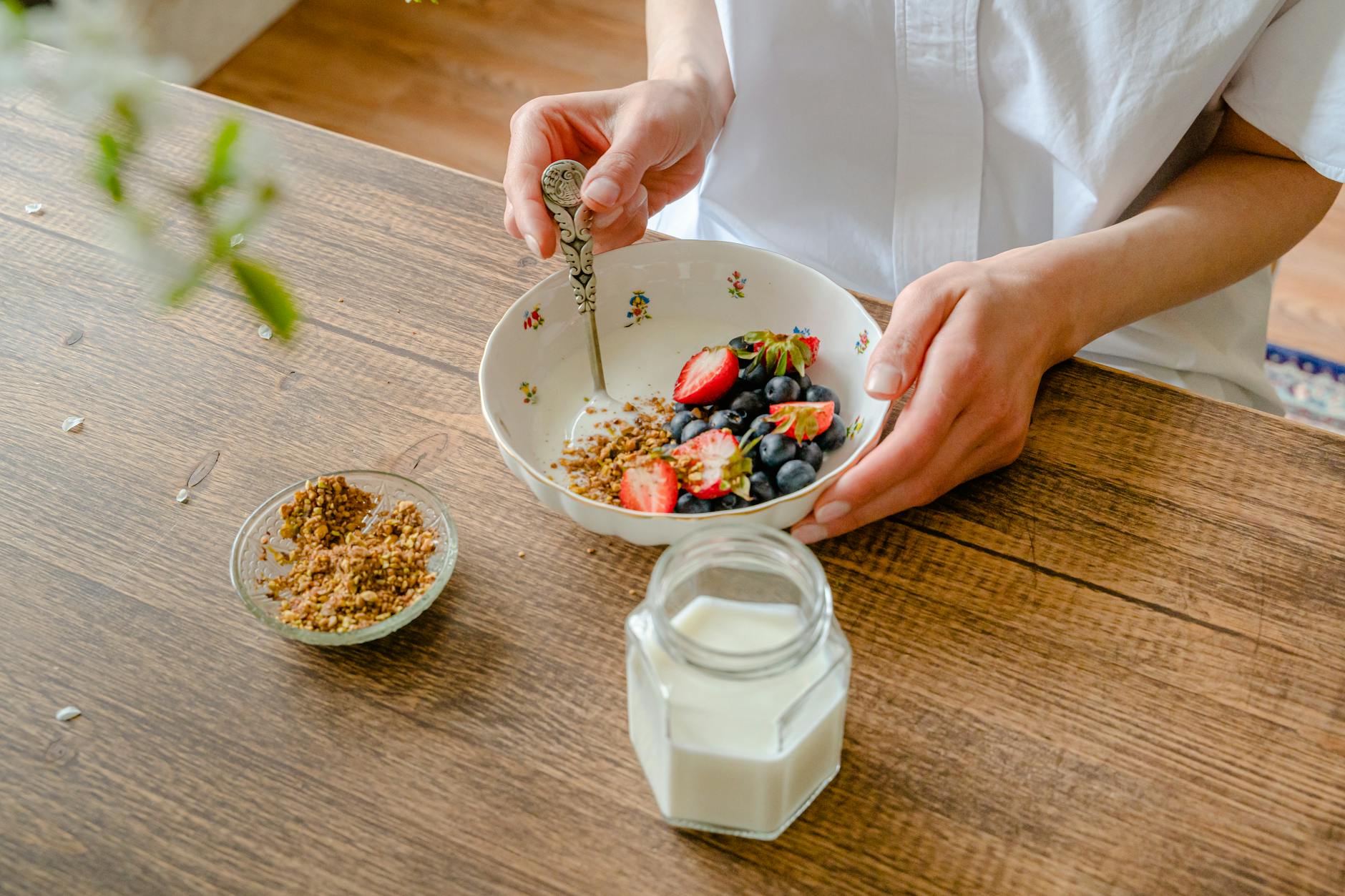
When Should You Eat for Optimal Gut Health?
Discover how meal timing, fiber, and fermented foods can impact your gut health and learn practical tips for a happier digestive system.
Read more →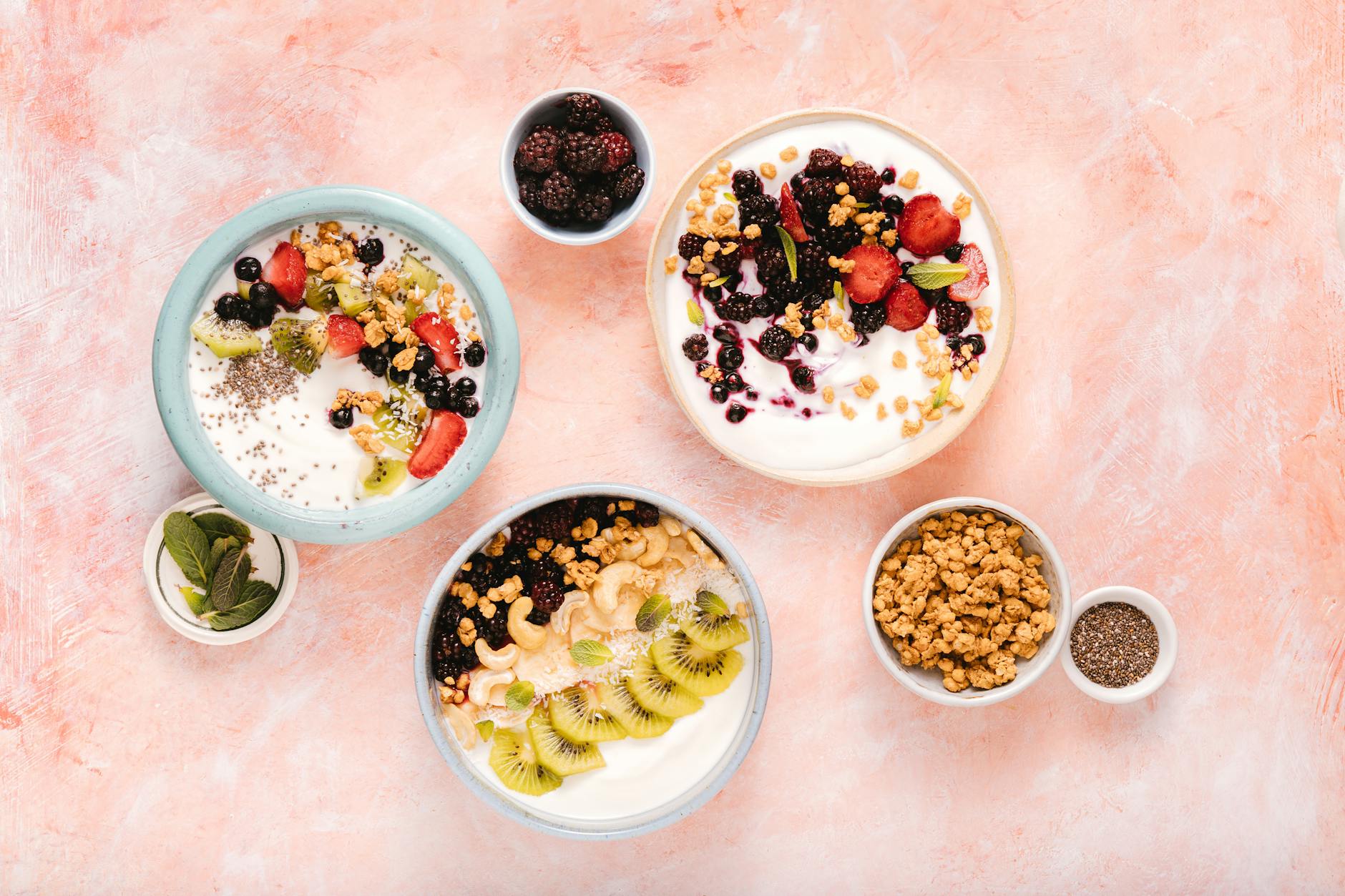
Can Fermented Foods Improve Digestion? Plus Fiber & Meal Timing Tips
Explore how fiber, fermented foods, and meal timing can support your gut health. Get practical tips for better digestion and overall wellnes
Read more →Related posts
When Should You Eat for Optimal Gut Health?
Discover how meal timing, fiber, and fermented foods can impact your gut health and learn practical tips for a happier digestive system.
Read more →Can Fermented Foods Improve Digestion? Plus Fiber & Meal Timing Tips
Explore how fiber, fermented foods, and meal timing can support your gut health. Get practical tips for better digestion and overall wellnes
Read more →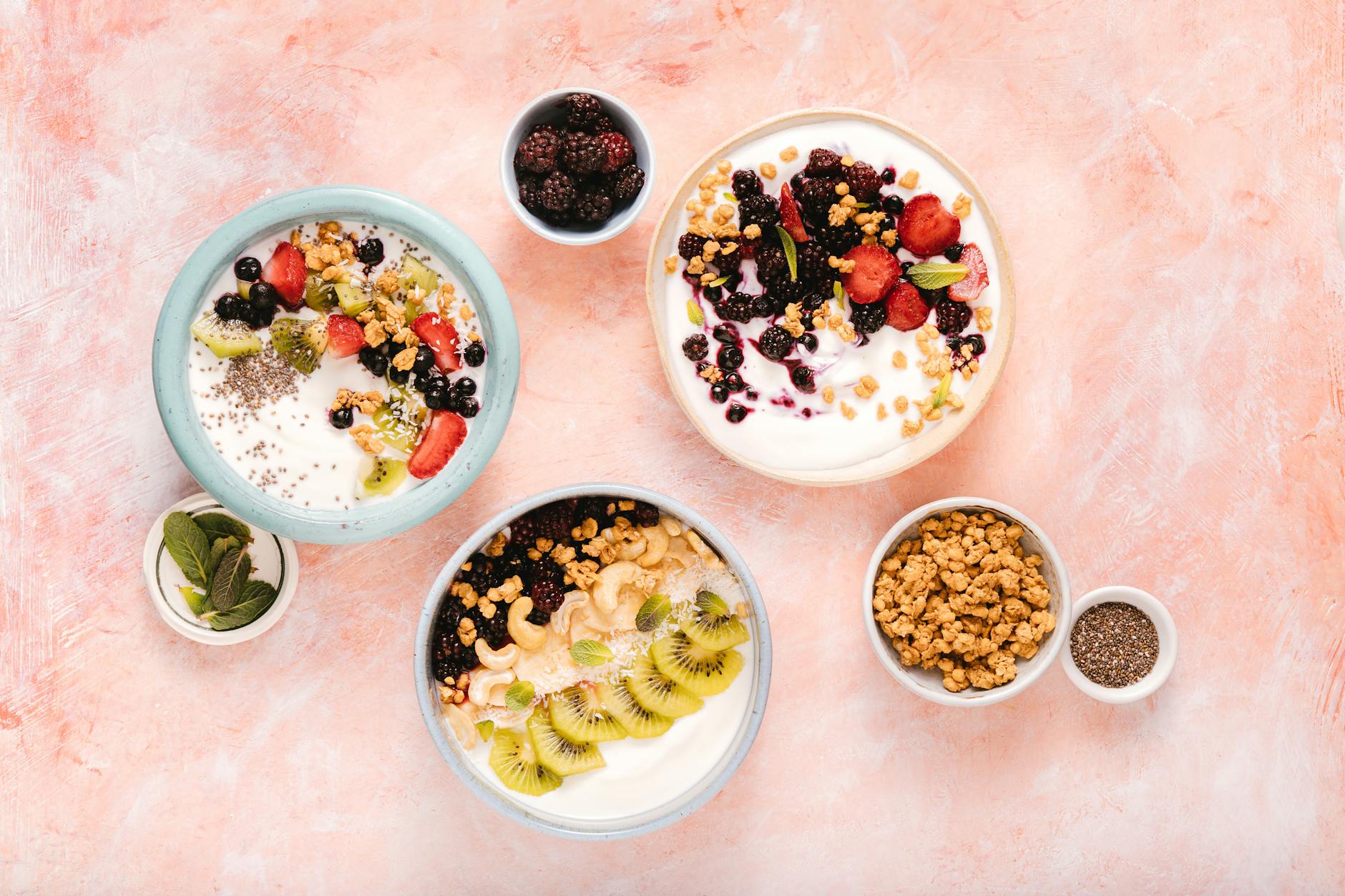
Fiber vs. Fermented Foods: Which Boosts Gut Health?
Explore the roles of fiber and fermented foods in gut health. Learn practical tips to incorporate both for a happier, healthier gut.
Read more →