Struggling with Bloating? Try These Natural Fixes

Key takeaways
- I remember those days so clearly.
- After a perfectly normal meal, I'd feel like I'd swallowed a balloon.
- Focus on: Understanding What's Going On.
I remember those days so clearly. After a perfectly normal meal, I'd feel like I'd swallowed a balloon. My stomach would distend, I'd feel uncomfortably full, and honestly, just plain miserable. It was so frustrating, especially when I hadn't eaten anything *that* out of the ordinary.
If you've ever felt this way, you're definitely not alone. Bloating is one of those common, annoying health hiccups that can really throw a wrench in your day. But the good news is, you don't have to just live with it. There are simple, natural ways to tackle it by understanding your body and making a few tweaks.
Understanding What's Going On
For me, the first step was realizing that bloating isn't just about *what* you eat, but *how* your body handles it. It's often a signal that your digestion isn't running as smoothly as it could be. This could be due to a variety of factors, from the types of food you're consuming to how you're eating them, and even stress levels.
Think of your gut as a complex ecosystem. When things are out of balance, it can lead to gas buildup and that uncomfortable swollen feeling. Identifying your personal triggers is key to finding relief and promoting better gut health. Explore more healthy-habits guides.
Natural Relief Strategies
The beauty of natural remedies is that they work *with* your body, not against it. They focus on supporting your digestive processes and reducing inflammation.
Focus on Fiber, but Smartly: Fiber is crucial for digestion, but introducing too much too quickly, or certain types of fiber, can actually *cause* bloating for some. Gradually increase your intake of soluble fiber (found in oats, beans, apples) and make sure you're drinking plenty of water. This helps keep things moving smoothly. For more on this, check out this related healthy tip.
Mindful Eating Habits: How you eat matters just as much as what you eat. Eating too quickly, not chewing your food thoroughly, or talking with your mouth full can cause you to swallow excess air, contributing to bloating. Try to slow down, savor your food, and focus on each bite. This is a simple yet powerful way to improve digestion.
Hydration is Key: Staying well-hydrated is fundamental for a happy gut. Water helps break down food and allows nutrients to pass through your digestive tract more easily. Aim for plenty of plain water throughout the day.
The 2-Minute Win
Take 5 deep, slow breaths right now. Inhale through your nose, feeling your belly expand, and exhale slowly through your mouth. This simple act can help calm your nervous system, which has a direct impact on your digestion.
Common Trigger Foods to Watch
While everyone is different, certain foods are notorious for causing bloating. Keeping a food diary can be incredibly helpful in pinpointing your personal culprits.
- Cruciferous Vegetables: Broccoli, cauliflower, cabbage, and Brussels sprouts are healthy but can be tough for some to digest. Try cooking them thoroughly instead of eating them raw.
- Beans and Legumes: These are fiber powerhouses, but also gas producers. Soaking them overnight and rinsing thoroughly before cooking can help.
- Carbonated Drinks: The bubbles themselves introduce gas into your digestive system.
- Artificial Sweeteners: Some people find that sugar alcohols (like sorbitol or xylitol) cause digestive upset.
- Dairy: If you're lactose intolerant, dairy products are a common trigger.
Experimenting with eliminating one potential trigger at a time for a week or two can help you identify what's causing your discomfort. This is a great way to learn more about your body and find what works for you. See this another practical guide for more ideas.
Pro-Tip: Don't be afraid of healthy fats! Foods like avocado, olive oil, and nuts can actually help soothe your digestive tract and reduce inflammation, which often contributes to bloating. They help your body absorb nutrients better and can make you feel more satisfied.
Lifestyle Tweaks for Lasting Relief
Beyond food, your daily habits play a huge role in your digestive health.
Manage Stress: Stress is a major gut disruptor. Finding healthy ways to manage it—like meditation, gentle yoga, or spending time in nature—can make a significant difference. This is crucial for similar wellness insights.
Gentle Movement: Regular, gentle exercise like walking can help stimulate your digestive system and relieve gas. Avoid intense workouts immediately after eating, as this can sometimes worsen bloating for some.
Adequate Sleep: Your body does a lot of repair work while you sleep, including for your digestive system. Aim for 7-9 hours of quality sleep per night. Consistency here is key to stay consistent with this.
Your Bloating Relief Checklist
Ready to take control? Here’s a quick checklist to get you started:
- Eat Slowly & Chew Thoroughly: Make meals a mindful experience.
- Hydrate Consistently: Sip water throughout the day.
- Introduce Fiber Gradually: Listen to your body.
- Identify Trigger Foods: Keep a food diary.
- Manage Stress Daily: Find your calm.
- Move Gently: A daily walk can work wonders.
Educational only — not medical advice.
More in gut
 gut
gutPractical Tips for Eating Fermented Foods Today
Discover easy ways to incorporate traditional fermented foods like kimchi, sauerkraut, and kefir into your daily US diet
Read article →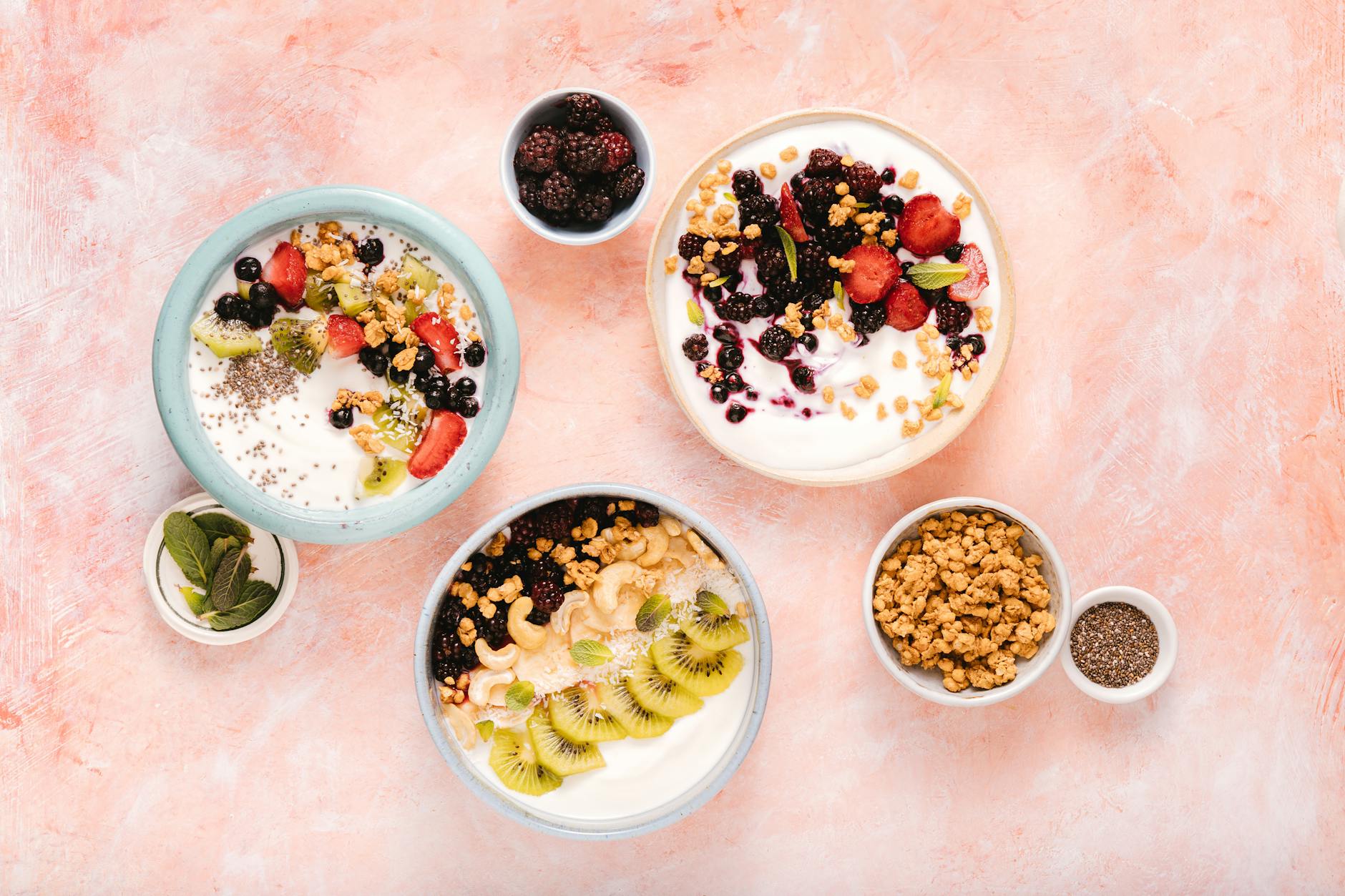 gut
gutCan Fermented Foods Improve Your Gut?
Explore how fiber, fermented foods, and meal timing can impact your gut health. Get practical tips for a healthier diges
Read article →Related posts
gutPractical Tips for Eating Fermented Foods Today
Discover easy ways to incorporate traditional fermented foods like kimchi, sauerkraut, and kefir into your daily US diet
Read article →gutCan Fermented Foods Improve Your Gut?
Explore how fiber, fermented foods, and meal timing can impact your gut health. Get practical tips for a healthier diges
Read article →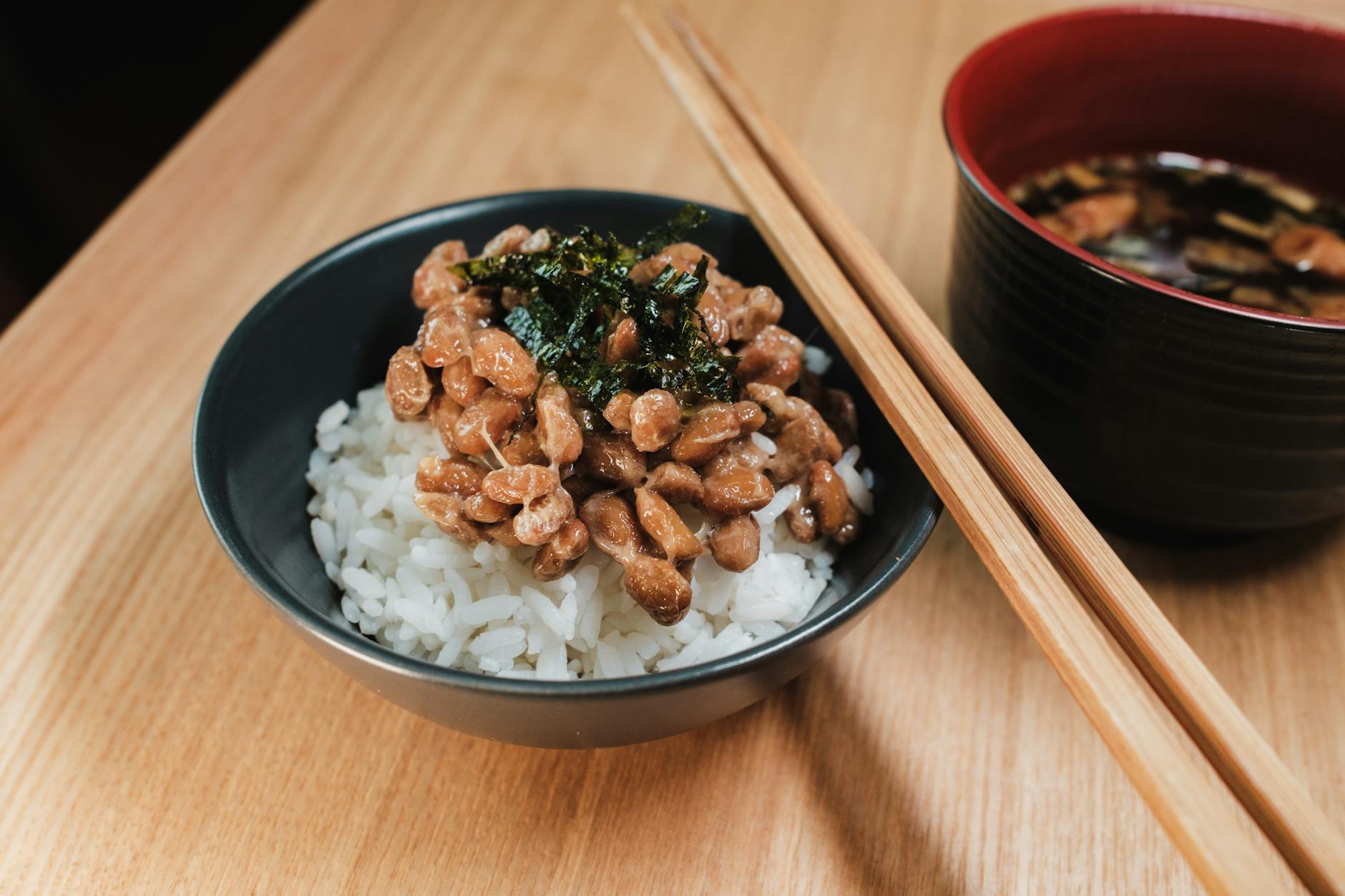 gut
gutCan Meal Timing Improve Gut Health? The Fiber and Fermented Foods Connection
Discover how aligning your meals with your body's natural rhythms, combined with fiber and fermented foods, can signific
Read article →