Stop Overcomplicating The Burden Of Weight Bias: What Works

Key takeaways
- I used to freeze up in the waiting room at my doctor’s office, heart pounding, just hoping they wouldn't tell me my knee pain was strictly because of my jeans size.
- For years, carrying the burden of weight bias made me avoid checking my blood pressure, skippin
- Focus on: Understanding Internalized Stigma and Stress.
I used to freeze up in the waiting room at my doctor’s office, heart pounding, just hoping they wouldn't tell me my knee pain was strictly because of my jeans size. For years, carrying the burden of weight bias made me avoid checking my blood pressure, skipping vital health checks altogether.
It turns out I wasn't just being sensitive. Medical anti-fat stigma is a documented systemic barrier in the US healthcare system that actively hurts patient outcomes.
When every health issue gets blamed on your size, you stop listening to your body and start distrusting the whole medical system. Let's talk about how to reclaim your healthcare experience without feeling like you have to defend your existence.
Understanding Internalized Stigma and Stress
When society constantly messages that your body is a problem to fix, you start doing the harm to yourself. Research shows that internalizing weight bias increases systemic inflammation and pushes people toward emotional eating cycles.
I had to learn to separate my health goals from societal expectations. Check out a related healthy tip on how self-compassion alters stress chemistry.
Instead of constantly fighting your frame, focus on actionable daily metrics like sleep quality and resting heart rate. You can also read another practical guide on tracking health metrics that actually matter.
Navigating the Doctor's Office with Confidence
The standard scale sitting in the middle of a crowded hallway is designed for clinical efficiency, not patient psychological safety. You have the explicit right to decline unnecessary weigh-ins during standard routine clinic visits.
Simply state to the nurse, 'I prefer not to be weighed today unless it is medically necessary for medication dosing.' It feels terrifying the first time, but it transforms the power dynamic instantly.
If a doctor tries to attribute every single symptom to your BMI, ask a specific question: 'What treatments would you recommend for a patient in a smaller body presenting with these exact same symptoms?'
This simple script forces a shift back to evidence-based medicine rather than reflexive bias. You can review this similar wellness insight on speaking up during appointment discussions.
The 2-Minute Win
Next time you fill out medical paperwork, write down three non-scale health goals (like lower anxiety or better joint mobility) right at the top of your symptom checklist.
"Your health care should be tailored to your real-time biology, not framed by societal ideals of what a body ought to look like."
Focusing on Behavioral Shift Over Body Shape
Sustainable health habits aren't built on shame. Shifting your mental energy toward nourishing foods, joyous movement, and restorative sleep will always deliver better physiological results than restrictive guilt trips.
Try incorporating daily walks outdoors without monitoring calorie expenditure. It rebuilds your relationship with physical movement as a joy rather than a punishment.
It takes time to unpack years of negative self-talk, but small mental shifts compound rapidly. Learn how to stay consistent with this approach over the long run.
Remember that shifting your mindset takes patience, grace, and steady application. You can always explore more healthy-habits guides to build your personalized wellness strategy.
Educational only — not medical advice.
Recommended Reading
- Unlock Your Best Sleep: Daily Habits for More Energy & Focus
- Unlock Better Sleep: Quality Sleep Strategies for Optimal Health & Energy
- Boost Your Sleep Quality: Natural Remedies & Tips for Better Rest
More in healthy-habits
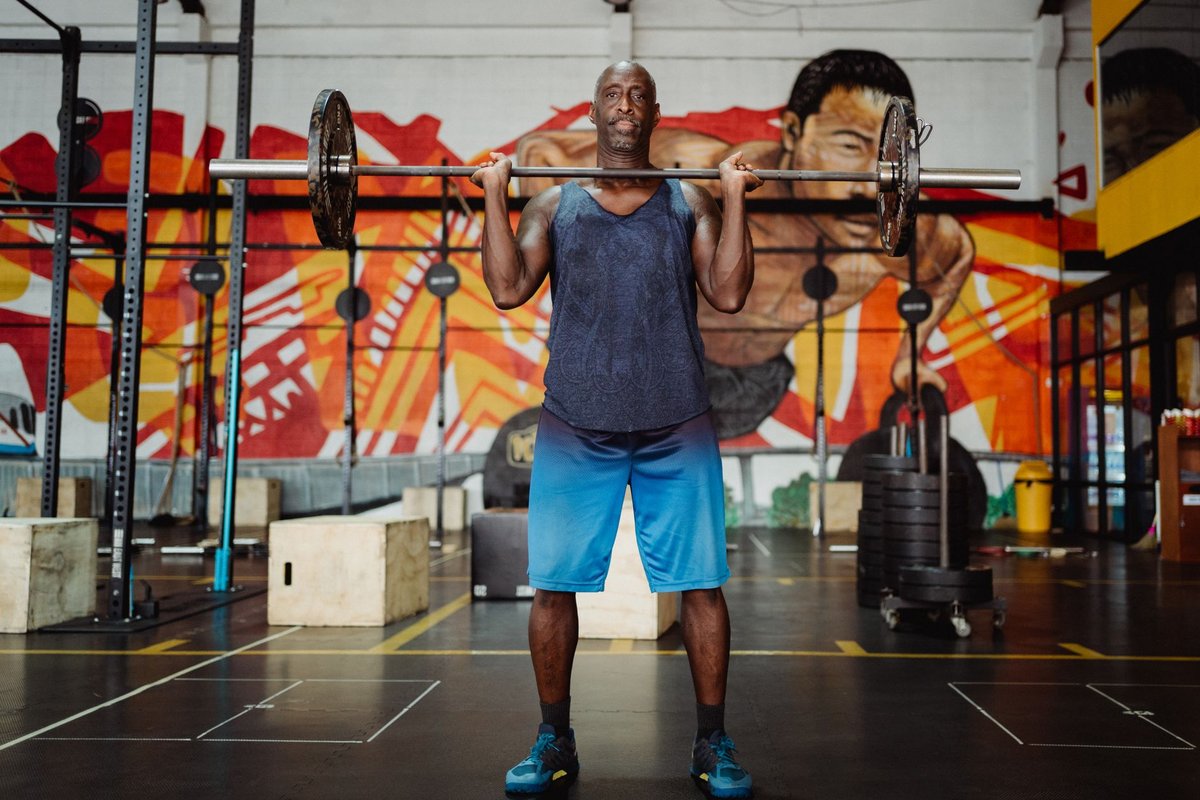 healthy-habits
Struggling with Gym Fatigue? How Smelling Chocolate Boosted My Workout Reps
Discover how smelling chocolate helped men complete more reps without feeling more tired. Boost your workout performance
Read article → healthy-habits
Ultra-Processed Foods Linked To Hidden Muscle Fat That May Threaten Your Knees
Discover how Ultra-Processed Foods Linked To Hidden Muscle Fat That May Threaten Your Knees and get practical tips to pr
Read article →Related posts
healthy-habitsStruggling with Gym Fatigue? How Smelling Chocolate Boosted My Workout Reps
Discover how smelling chocolate helped men complete more reps without feeling more tired. Boost your workout performance
Read article →healthy-habitsUltra-Processed Foods Linked To Hidden Muscle Fat That May Threaten Your Knees
Discover how Ultra-Processed Foods Linked To Hidden Muscle Fat That May Threaten Your Knees and get practical tips to pr
Read article →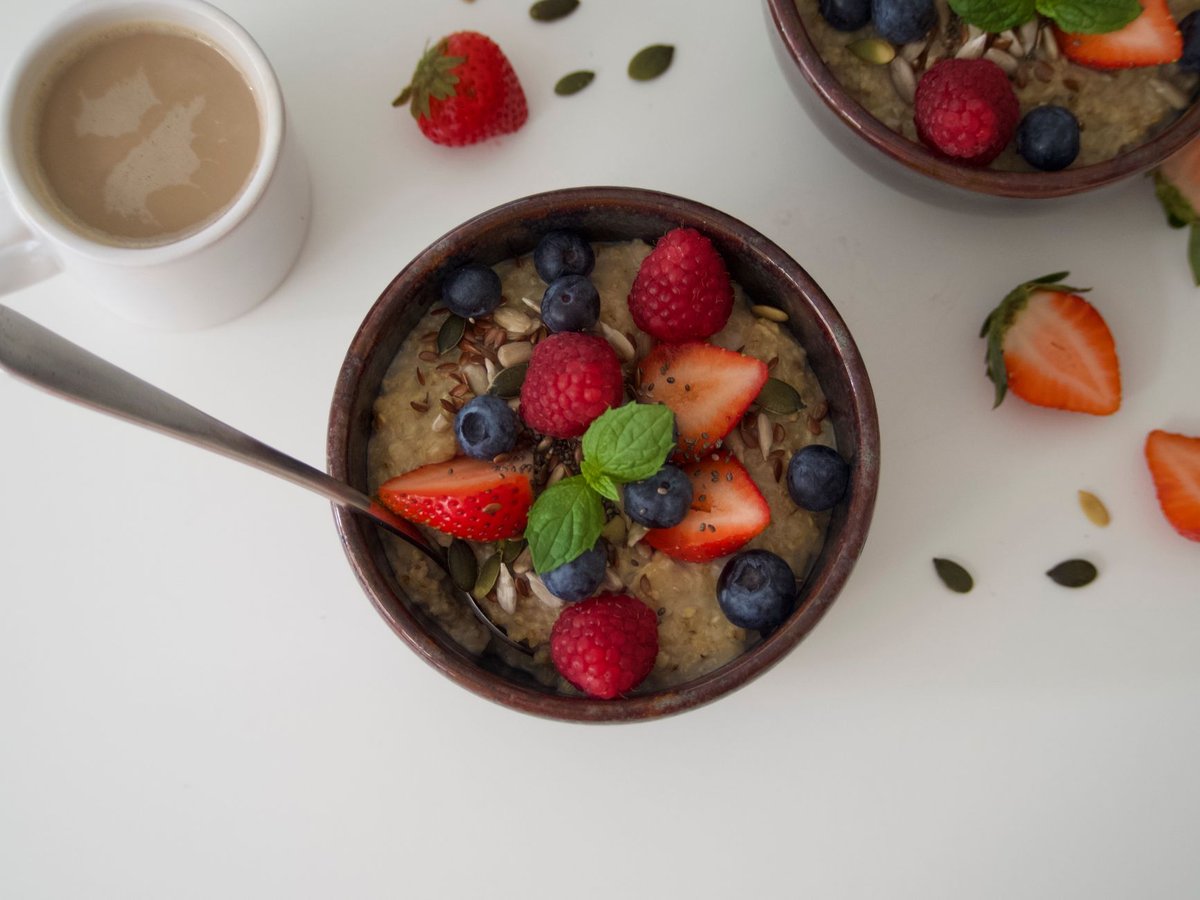 healthy-habits
What Nobody Tells You About The Whole Grain Sweet Spot
Discover how Scientists Find The Whole Grain “Sweet Spot” For Better Heart Health with these practical, real-life tips f
Read article →