Sparkling Water & Your Smile: What Dentists Want You to Know
Key takeaways
- I used to chug diet soda like it was my job.
- Seriously, the cans would pile up.
- Track what feels sustainable and adjust gradually.
I used to chug diet soda like it was my job. Seriously, the cans would pile up. Then, I switched to sparkling water, convinced I was doing my teeth a huge favor. No sugar, right? But then I started hearing whispers, seeing studies, and honestly, I got a little worried. Is that bubbly, refreshing sip actually a sneaky saboteur of my smile? We need to talk about Sparkling Water & Your Smile: What Dentists Want You to Know.
My journey to understanding the real impact of sparkling water on my teeth wasn't pretty. I'd grab a can of plain seltzer, then maybe one with a splash of lemon, and before I knew it, I was reaching for the flavored versions. The excitement of finding a new "healthy" drink quickly turned into a nagging question: Am I just swapping one dental enemy for another?
The acidity is the main culprit. Most plain sparkling waters have a pH around 3.0 to 4.0. For context, the critical pH for tooth enamel demineralization is about 5.5. This means that consistently exposing your teeth to sparkling water, especially if you sip it throughout the day, can contribute to enamel wear. I noticed myself sipping on it for hours, and that's a key behavior to watch.
And what about those flavored sparkling waters? They often add citric acid and other flavorings, which can significantly lower the pH even further, making them more erosive. Some brands even add a bit of sugar or artificial sweeteners, which, while not as bad as regular soda, still aren't ideal. I found myself drawn to the "hint of lime" or "strawberry essence," but I had to start checking the ingredient list more carefully.
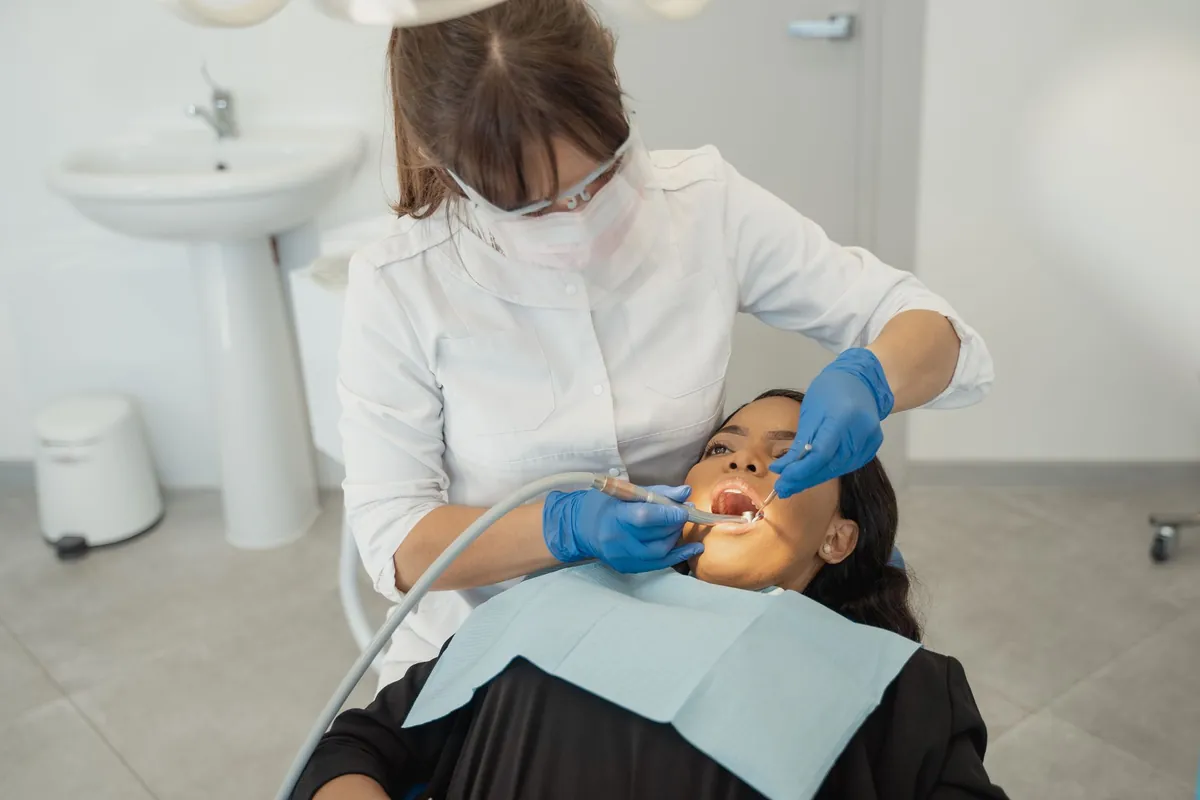
My dentist actually pointed out some slight sensitivity I'd been experiencing. I initially blamed coffee, but when I mentioned my sparkling water habit, she explained the science behind it. It wasn't a dramatic "stop immediately!" situation, but more of a "let's be mindful" conversation. This is why understanding Sparkling Water & Your Smile: What Dentists Want You to Know is so important.
So, what's the verdict? Should you ditch the bubbles entirely? Not necessarily. The dental community generally agrees that the benefits of choosing sparkling water over sugary drinks often outweigh the risks, *if* you take precautions. It's all about moderation and smart sipping. I've learned to enjoy it, but I'm more conscious about *how* and *when* I drink it.
The 2-Minute Win
Take a sip of plain water *after* you finish your sparkling water. This simple act helps rinse away some of the acidity and gives your enamel a break. It’s a tiny habit that makes a big difference, and I started doing it immediately.
Think about your drinking habits. Are you constantly sipping on sparkling water all day long? That's a lot of acid exposure. Try to consume it more like a meal or a treat, rather than an all-day beverage. This is a crucial step to help stay consistent with this and other healthy habits. You might also find that incorporating more still water into your day is a related healthy tip. For me, carrying a reusable water bottle filled with plain water became a game-changer.
Here's an insider secret from my dental hygienist: If you love adding lemon or lime slices to your water, try to avoid biting into the fruit itself. The oils and juices are highly acidic and can directly contact your enamel. Just let them infuse and remove them before drinking.
Another practical guide to consider is rinsing your mouth with plain water after drinking sparkling water. This is a simple step that can significantly reduce the amount of time your teeth are exposed to the acid. It’s about being proactive and making small adjustments. Explore more healthy-habits guides to find other simple swaps.
My personal approach now is to enjoy plain sparkling water, but I limit the flavored ones and I definitely don't sip them all day. I also make sure to drink plenty of regular water throughout the day. This balanced approach feels sustainable and aligns with my other wellness insights. It's a similar wellness insight to how I manage my sleep schedule for better overall health.
Ultimately, the goal isn't perfection, but progress. If you're looking to make a shift, consider this your nudge. Understanding Sparkling Water & Your Smile: What Dentists Want You to Know can empower you to make informed choices. And hey, if you're looking for other healthy beverage options, maybe check out some high-quality extra virgin olive oil for a different kind of healthy fat. Disclosure: This page may contain affiliate links.
Educational only — not medical advice.
Recommended Reading
- Boost Your Sleep Quality: Natural Remedies & Tips for Better Rest
- Unlock Better Sleep: Quality Sleep Strategies for Optimal Health & Energy
- Small Changes, Big Health Wins: Habits That Actually Stick
More in healthy-habits
 healthy-habits
Morning Routines for Energy & Focus: Boost Your Day Even If You're Not a Morning Person
Discover science-backed morning routines for energy and focus. Combat brain fog and boost productivity with these simple
Read article → healthy-habits
Unlock Your Healthiest Life: The Secret is in How You Sip Your Tea!
Discover how the simple act of sipping tea can unlock your healthiest life. Learn brewing secrets, mindful practices, an
Read article →Related posts
healthy-habitsMorning Routines for Energy & Focus: Boost Your Day Even If You're Not a Morning Person
Discover science-backed morning routines for energy and focus. Combat brain fog and boost productivity with these simple
Read article →healthy-habitsUnlock Your Healthiest Life: The Secret is in How You Sip Your Tea!
Discover how the simple act of sipping tea can unlock your healthiest life. Learn brewing secrets, mindful practices, an
Read article → healthy-habits
Older Adults' Surprising Salt Habit Revealed in New Study
Discover the surprising salt habit of older adults from a new study. Learn what it means for your health and how to make
Read article →