What Small Changes Improve Your Health?
Key takeaways
- We all want to be healthier, but the idea of a complete overhaul can feel overwhelming.
- The good news?
- Focus on: Ready to Feel Better? Start Small..

Ready to Feel Better? Start Small.
We all want to be healthier, but the idea of a complete overhaul can feel overwhelming. The good news? You don't need to make drastic changes to see real results. Focusing on small, manageable habits is often the key to long-term success. These tiny shifts, when practiced consistently, can add up to big improvements in your energy levels, mood, and overall well-being.
Think about it: instead of aiming for an hour at the gym every day, what if you committed to a 10-minute walk after dinner? Or instead of cutting out all your favorite treats, what if you simply added an extra glass of water to your routine? These are the kinds of small wins that build momentum and make healthy living feel achievable, not like a chore. Educational only — not medical advice.
Why Small Habits Stick
Big changes often fizzle out because they require too much willpower or disrupt your life too much. Small habits, on the other hand, are easier to integrate into your daily life. They require less effort, making them less likely to be abandoned when life gets busy. This is the core principle behind building lasting change. For more on building resilience, check out our guide to stress management.
Tiny Tweaks, Big Impact
Hydration Hero
Dehydration can lead to fatigue, headaches, and poor concentration. Aim to drink a glass of water as soon as you wake up. Keep a water bottle at your desk or in your bag throughout the day.
Mindful Munching
Pay attention to your hunger cues. Before reaching for a snack, ask yourself if you're truly hungry or just bored, thirsty, or stressed. Sometimes, a short break or a glass of water can do the trick. For tips on making healthier food choices, explore our healthy recipes.
Movement Minutes
You don't need a gym membership to get moving. Take the stairs instead of the elevator. Park further away from your destination. Do a few stretches while watching TV. Even 5-10 minutes of intentional movement can make a difference. Consider exploring home workout routines for inspiration.
Sleep Smarter
Consistency is key for good sleep. Try to go to bed and wake up around the same time, even on weekends. Create a relaxing bedtime routine, like reading a book or taking a warm bath, to signal to your body that it's time to wind down. Better sleep contributes to improved mental wellness.
Stress Less, Live More
Find one small way to de-stress each day. This could be 5 minutes of deep breathing, listening to calming music, or spending time in nature. Managing stress is crucial for overall health and longevity.
Actionable Checklist: Your Daily Health Boost
- Drink one glass of water upon waking.
- Take 5 minutes for mindful breathing or stretching.
- Add one extra serving of vegetables to your day.
- Move for at least 10 minutes (walk, stairs, etc.).
- Stick to a consistent bedtime.
Common Mistakes to Avoid
- Trying Too Much Too Soon: Overhauling your entire lifestyle overnight is a recipe for burnout. Stick to one or two small changes at a time.
- All-or-Nothing Thinking: If you miss a day or slip up, don't give up. Just get back on track the next day. One missed workout doesn't negate your progress.
- Ignoring Your Body: Pay attention to how new habits make you feel. If something isn't working or feels unsustainable, adjust it.
FAQ
- How long does it take for a small habit to become automatic?
- While the popular idea is 21 days, research suggests it can take anywhere from 18 to 254 days, depending on the person and the habit's complexity. Consistency is more important than a specific timeframe.
- What if I forget to do my new habit?
- Don't beat yourself up. Simply do it as soon as you remember, or plan to do it at a different time that day. The goal is to make it a regular part of your routine.
- Can small habits really make a difference in the long run?
- Absolutely. Small, consistent actions compound over time, leading to significant improvements in health, mood, and overall quality of life.
Starting small is a powerful strategy for building a healthier life. Celebrate your small wins, be patient with yourself, and enjoy the journey. You've got this!
More in healthy-habits

Is Your Diet Calorie-Aware? Tips for Sustainable Weight Loss
Learn how to make calorie-aware choices for sustainable weight loss. Get practical tips, a checklist, and common mistakes to avoid for a hea
Read more →
What Small Habits Improve Health Most?
Discover powerful, small habit changes that lead to significant health improvements. Learn practical tips to make healthy habits stick in yo
Read more →Related posts
Is Your Diet Calorie-Aware? Tips for Sustainable Weight Loss
Learn how to make calorie-aware choices for sustainable weight loss. Get practical tips, a checklist, and common mistakes to avoid for a hea
Read more →What Small Habits Improve Health Most?
Discover powerful, small habit changes that lead to significant health improvements. Learn practical tips to make healthy habits stick in yo
Read more →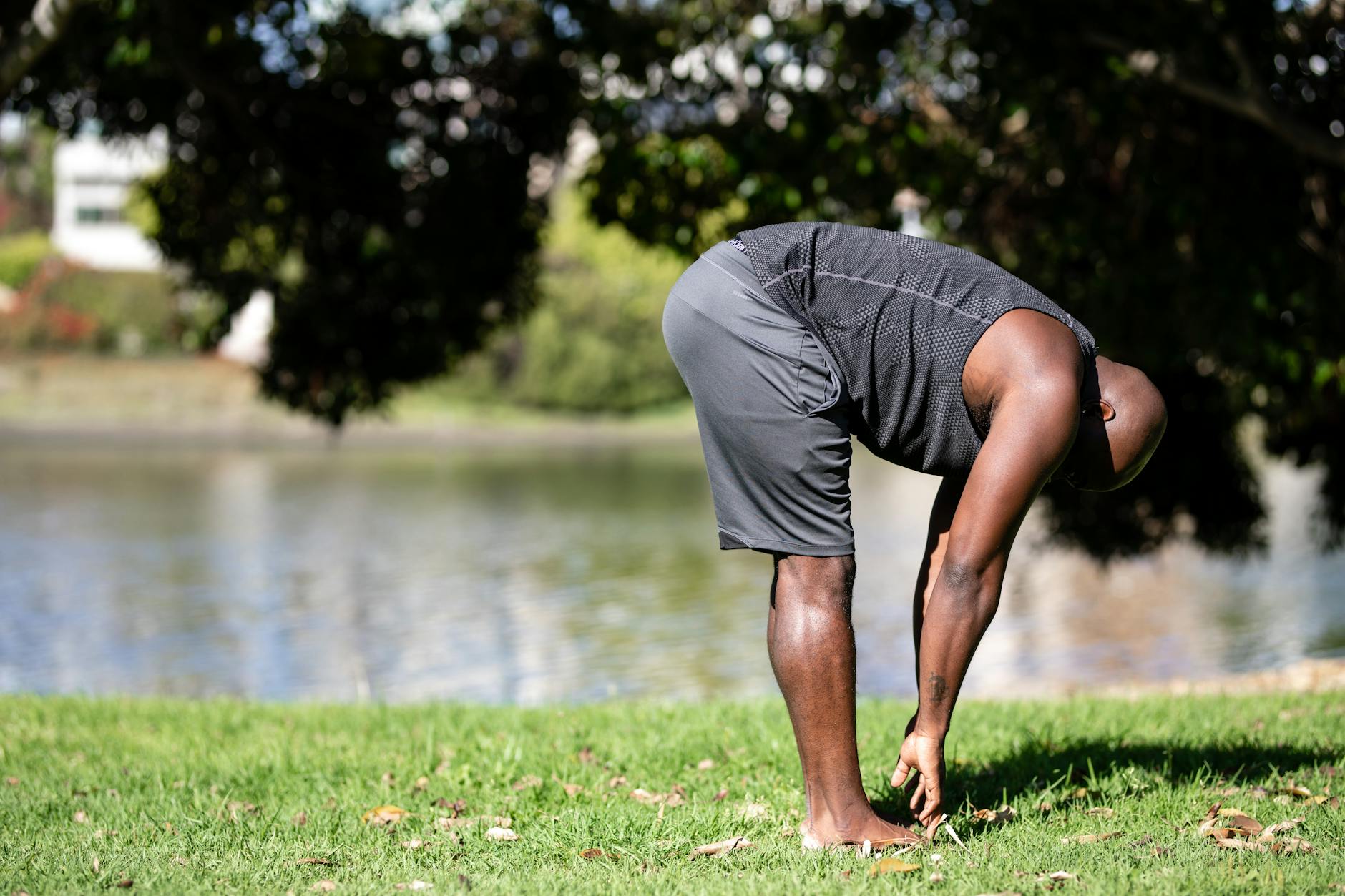
Small Changes, Big Health Wins: Habits That Actually Stick
Discover simple, sustainable habit changes that boost your health and well-being. Learn practical tips for lasting results.
Read more →