Small Changes, Big Health Wins: Habits That Actually Stick
Key takeaways
- We all want to be healthier, but the thought of overhauling our lives can be overwhelming.
- The good news?
- Focus on: Are You Ready to Feel Better?.
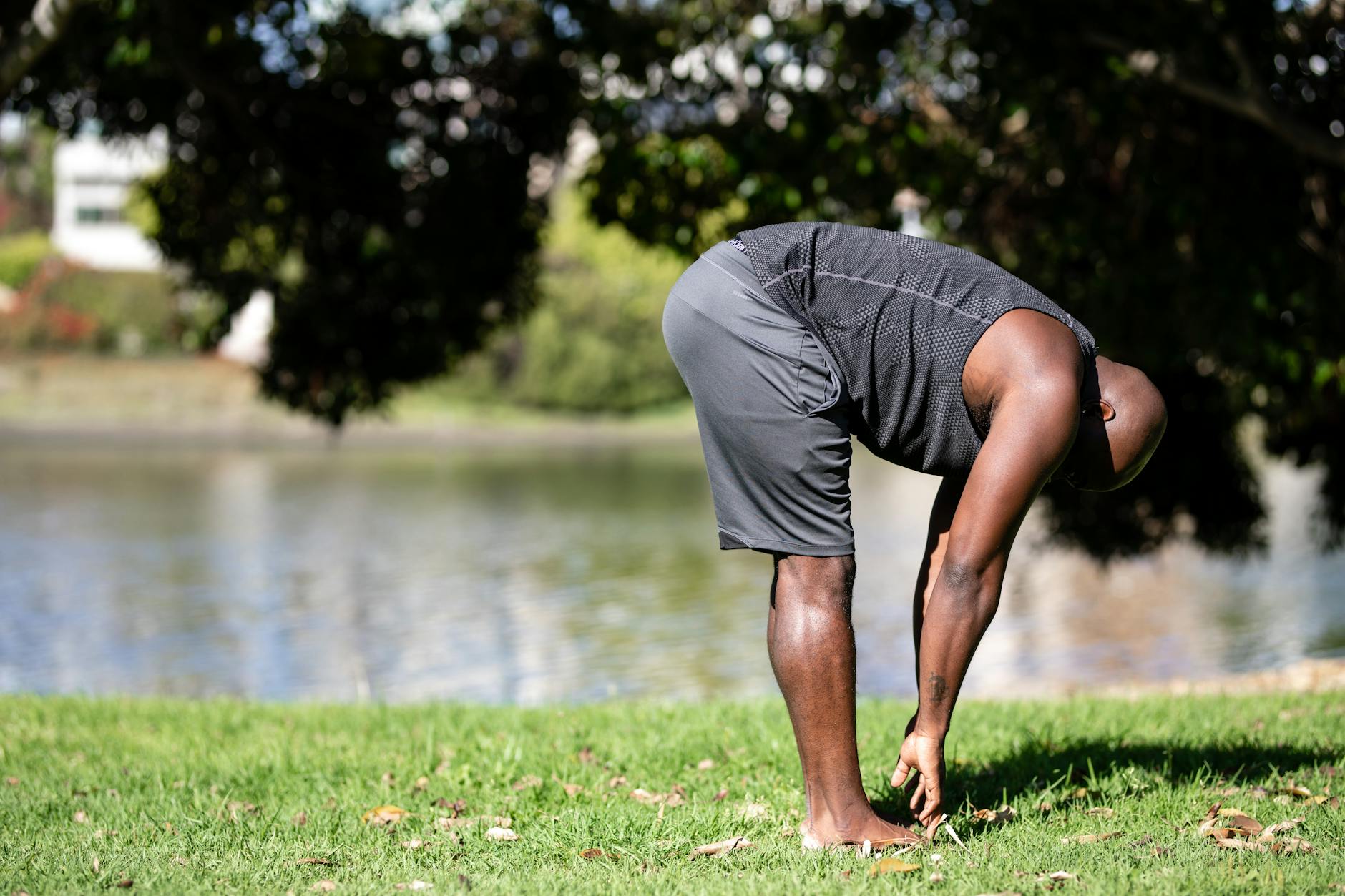
Are You Ready to Feel Better?
We all want to be healthier, but the thought of overhauling our lives can be overwhelming. The good news? You don't need a complete lifestyle makeover. Small, consistent changes are often the most effective way to build lasting healthy habits. Think of it like building a strong house: one brick at a time. This approach makes healthy living feel less like a chore and more like a natural part of your day.
Let's explore how tiny shifts can lead to significant improvements in your overall health and well-being. Educational only — not medical advice.
The Power of Tiny Habits
The science behind habit formation suggests that focusing on small, achievable actions is key. When you set a goal that's too big, it's easy to get discouraged and quit. But when you start small, you build momentum and confidence. These small wins create positive feedback loops that encourage you to continue.
Example: The Water Bottle Trick
Consider Sarah, who wanted to drink more water. Instead of aiming for a gallon a day, she started by placing a water bottle on her desk and committing to drink just eight ounces before her first coffee. Within a week, she found herself reaching for the water bottle more often and eventually increased her intake naturally. This small, consistent step made hydration a habit without feeling forced.
Actionable Steps for Lasting Change
Here are some practical ways to integrate small, powerful habits into your life:
Morning Boost
- Hydrate First: Drink a glass of water before your morning coffee or tea.
- Mindful Minutes: Spend 5 minutes stretching or meditating before checking your phone.
- Move It: Do 10 bodyweight squats or push-ups right after waking up.
Throughout the Day
- Deskercise: Set a timer to stand up and walk around for 2 minutes every hour.
- Healthy Snacking: Keep fruit or nuts within reach to avoid unhealthy impulse buys.
- Mindful Eating: Put your fork down between bites to savor your food and recognize fullness cues.
Evening Wind-Down
- Digital Detox: Put away screens 30 minutes before bed.
- Relaxation Ritual: Read a book, take a warm bath, or listen to calming music.
- Prepare for Tomorrow: Lay out your clothes or pack your lunch to reduce morning stress.
Common Pitfalls to Avoid
Even with small changes, there are a few common mistakes that can derail progress:
- Trying Too Much Too Soon: Don't add five new habits at once. Start with one and master it.
- All-or-Nothing Thinking: Missed a day? Don't give up. Just get back on track the next day. Perfection isn't the goal; consistency is.
- Ignoring How You Feel: If a habit feels like a constant struggle, it might not be the right fit for you right now. Adjust or try a different small change. See our tips on managing stress.
Integrating Movement at Home
When it comes to fitness, small changes can make a big difference. Instead of committing to hour-long gym sessions, consider incorporating short bursts of activity into your day. For example, using resistance bands can be a fantastic way to add strength training without needing a lot of space or time. A Resistance Bands Set can be used for a quick 15-minute workout in your living room. You can target different muscle groups with various exercises, making it a versatile tool for home fitness. This aligns perfectly with building small, sustainable habits. For more ideas, check out our guide on home workouts.
Disclosure: This page may contain affiliate links.
FAQ
- How long does it take to form a new habit?
- While the often-quoted "21 days" is a myth, it varies greatly. Some habits can feel more automatic in a few weeks, while others might take months. Focus on consistency rather than a specific timeline.
- What if I miss a day of my new habit?
- Don't beat yourself up! Missing a day is normal. The key is to get back on track immediately. One missed day doesn't erase your progress.
- How do I choose which small habit to start with?
- Pick something that genuinely interests you or addresses a specific need you have, like improving your sleep quality or reducing anxiety. Small, enjoyable changes are more likely to stick.
Keep Building, Keep Growing
Embracing small changes is a powerful strategy for long-term health and happiness. By focusing on consistency over intensity, you can create a healthier lifestyle that truly lasts. Celebrate your small wins and keep moving forward, one tiny habit at a time!
More in healthy-habits

Calorie Counting vs. Awareness: Which Works Better for Sustainable Weight Loss?
Explore the differences between strict calorie counting and mindful calorie awareness for lasting weight loss. Discover practical tips for s
Read more →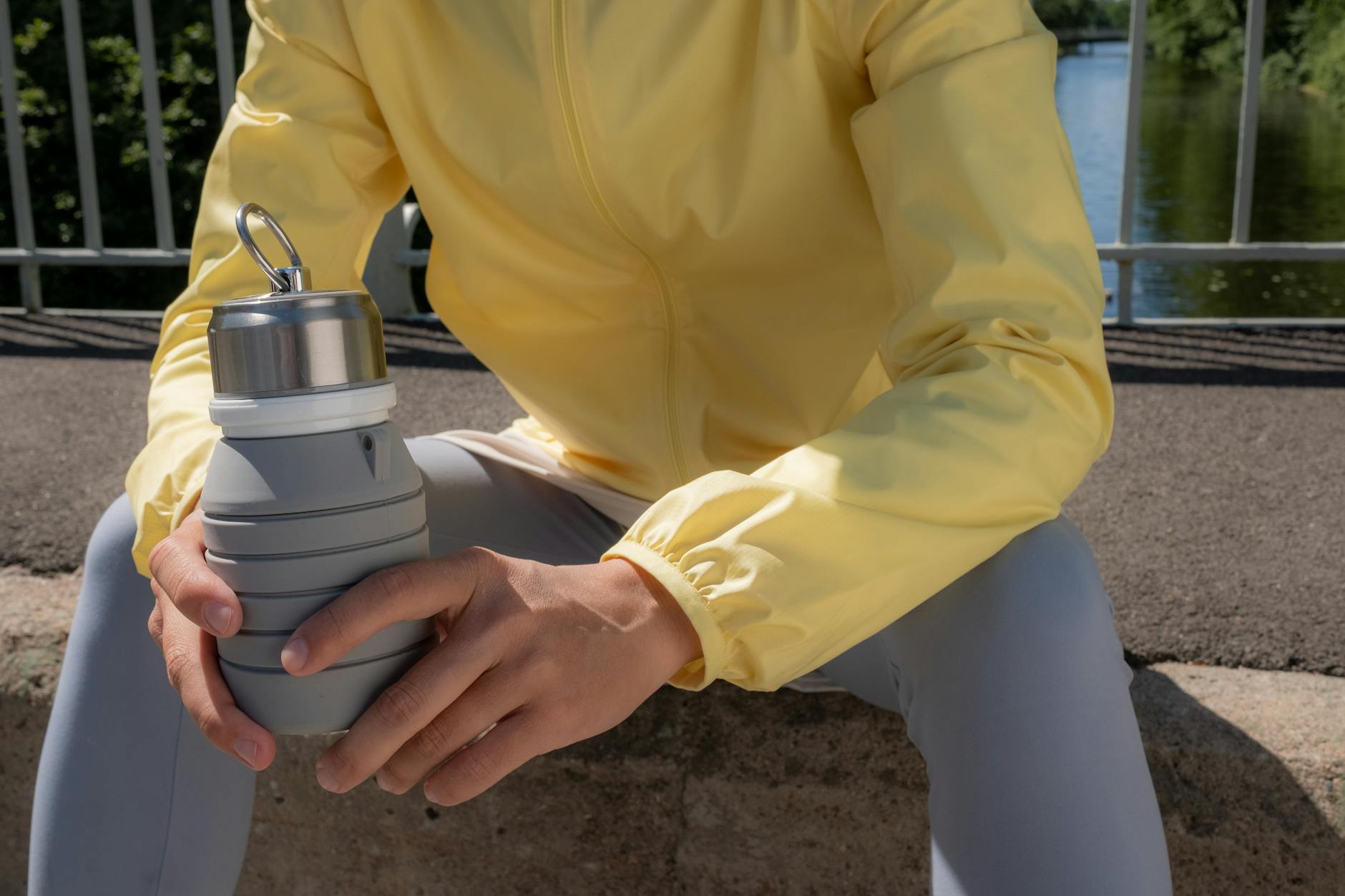
What Small Habits Improve Your Health?
Discover simple, sustainable habit changes to boost your well-being. Small steps for big health improvements.
Read more →Related posts
Calorie Counting vs. Awareness: Which Works Better for Sustainable Weight Loss?
Explore the differences between strict calorie counting and mindful calorie awareness for lasting weight loss. Discover practical tips for s
Read more →What Small Habits Improve Your Health?
Discover simple, sustainable habit changes to boost your well-being. Small steps for big health improvements.
Read more →
Can Daily Routines Really Lower Stress Levels?
Discover how simple daily routines can significantly reduce your stress load and improve your overall well-being. Learn practical tips for a
Read more →