Scientists Discover A Natural Compound That Could Protect The Brain From Too Much Salt
Key takeaways
- I used to think my brain fog was just bad sleep, but my late-night pretzel cravings told a darker story.
- It felt like my mental gears were grinding every time my takeout habit spiked, which is why I stopped scrolling when scientists discover a natural compound
- Track what feels sustainable and adjust gradually.
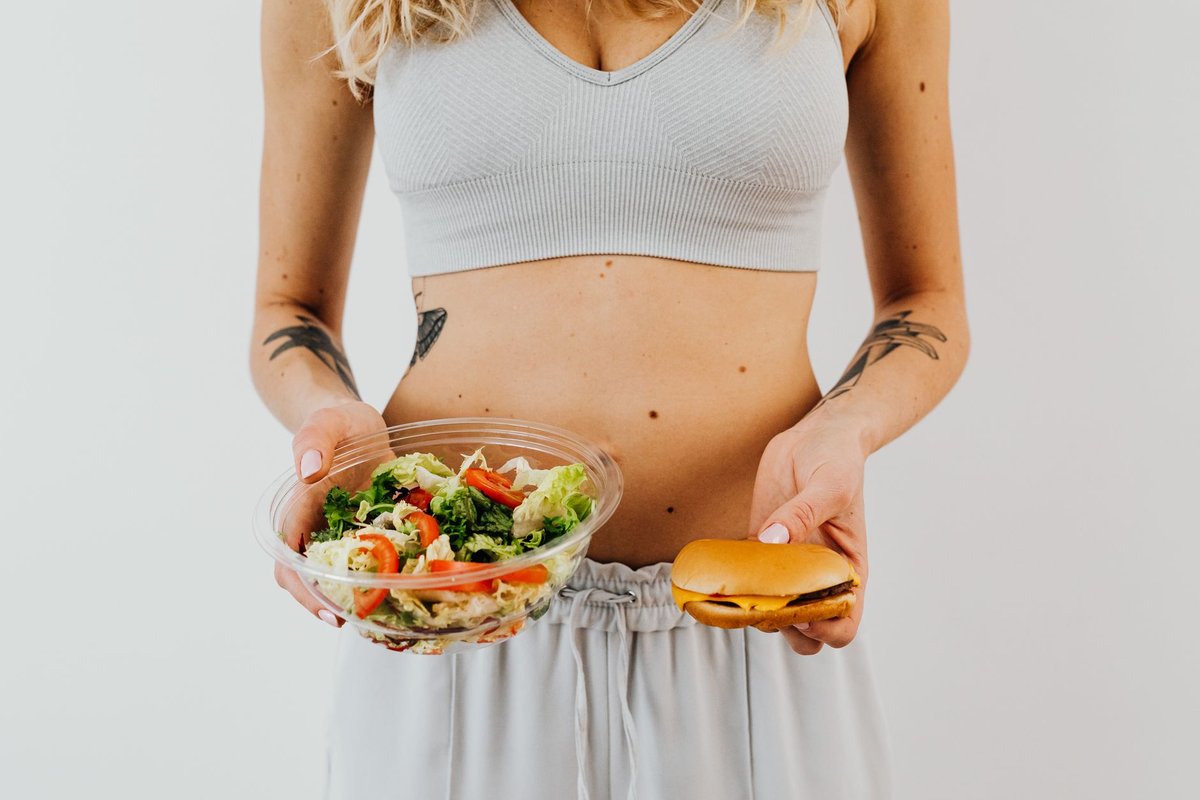
I used to think my brain fog was just bad sleep, but my late-night pretzel cravings told a darker story. It felt like my mental gears were grinding every time my takeout habit spiked, which is why I stopped scrolling when scientists discover a natural compound that could protect the brain from too much salt.
For years, researchers warned us about blood pressure spikes from sodium, but the real silent hit lands squarely on our cognitive wiring. When high-salt diets trigger gut-driven inflammatory signals, microvascular blood flow to our neurons takes a direct hit.
Recent studies zeroed in on short-chain fatty acids and specific dietary flavonoids that blunt this exact neurovascular breakdown. Essentially, scientists discover a natural compound that could protect the brain from too much salt by reinforcing the gut-brain barrier before systemic inflammation reaches delicate cortical vessels.
You can check out our related healthy tip to see how daily electrolyte balance influences baseline energy. The real culprit is not just table salt—it is the sneaky sodium hidden in commercial sandwich breads and canned soups.
When my own afternoon crashes became unbearable, I started hunting for everyday interventions that did not require eating completely bland food. That search led me straight back to microbiome health.
Our gut bacteria ferment specific fibers into protective compounds, counteracting sodium-induced endothelial dysfunction. You might like another practical guide on managing daily food triggers without obsessing over perfection.
Pro-Tip: Pair salty treats with high-polyphenol greens like baby arugula or blueberries to shield your vascular pathways in real time.
Because my schedule is chaotic, getting enough targeted microbiome support solely from food proved tough. Adding a dependable Daily Synbiotic Capsule gave my gut the resilient bacterial strains needed to fight back against occasional dietary slips.
Disclosure: This page may contain affiliate links. Taking a targeted capsule alongside mineral-rich whole foods helped lift that thick morning fog for good.
If you are struggling with afternoon sluggishness, take a look at our similar wellness insight. Keeping your microbiome fortified creates an active buffer against modern sodium overload.
The 2-Minute Win
Squeeze fresh lemon juice over your saltier meals today; the citrus bioflavonoids work alongside potassium to protect vulnerable endothelial linings instantly.
Try to stay consistent with this micro-habit whenever you order takeout. Small behavioral guards beat restrictive crash diets every single time.
Educational only — not medical advice. Make sure to explore more gut guides to build an everyday routine that keeps your thoughts sharp and steady.
Recommended Reading
- The Ultimate Guide to Daily Hydration: Boost Energy & Wellness
- Scientists Discover How Deep Sleep Builds Muscle, Burns Fat, And Boosts The Brain
- Fix A Hidden Compound In Healthy Foods May Worsen Ibd Fast
More in gut
 gut
Massive Study Of 460,000 People Challenges Ultra-Processed Food Cancer Fears: 4 Real Fixes
Massive Study Of 460,000 People Challenges Ultra-Processed Food Cancer Fears: discover practical, science-backed steps t
Read article → gut
Stop Overcomplicating Your Gut Bacteria and Calorie Burn
Learn how your gut bacteria could be changing how many calories you absorb and simple, science-backed tweaks to balance
Read article →Related posts
gutMassive Study Of 460,000 People Challenges Ultra-Processed Food Cancer Fears: 4 Real Fixes
Massive Study Of 460,000 People Challenges Ultra-Processed Food Cancer Fears: discover practical, science-backed steps t
Read article →gutStop Overcomplicating Your Gut Bacteria and Calorie Burn
Learn how your gut bacteria could be changing how many calories you absorb and simple, science-backed tweaks to balance
Read article → gut
Taking Antibiotics? Sugar May Be Making The Damage Worse
Taking antibiotics? Sugar may be making the damage worse inside your gut. Learn how refined carbs fuel dysbiosis and how
Read article →