Popular Sugar Substitute's Secret Health Hazard Uncovered by Scientists
Key takeaways
- I remember the days I’d chug diet soda like it was water, convinced I was outsmarting the sugar monster.
- I’d load up my coffee with artificial sweeteners, thinking I was making a smart move for my weight and my teeth.
- Track what feels sustainable and adjust gradually.
I remember the days I’d chug diet soda like it was water, convinced I was outsmarting the sugar monster. I’d load up my coffee with artificial sweeteners, thinking I was making a smart move for my weight and my teeth. It felt like a win-win. But lately, I've been feeling… off. Bloated, a little sluggish, just not my best self. And it turns out, that popular sugar substitute I’ve been relying on might be a big part of the problem. Scientists have recently uncovered a secret health hazard linked to it, and it’s all about our gut.
It’s easy to fall into the trap of thinking that if something is “zero calorie” or “sugar-free,” it’s automatically good for us. I know I did. My pantry was a graveyard of brightly colored packets and bottles, all promising guilt-free sweetness. But the latest research is shining a harsh light on one of the most common culprits: saccharin. You know, the stuff in Sweet'N Low? Yeah, that one.
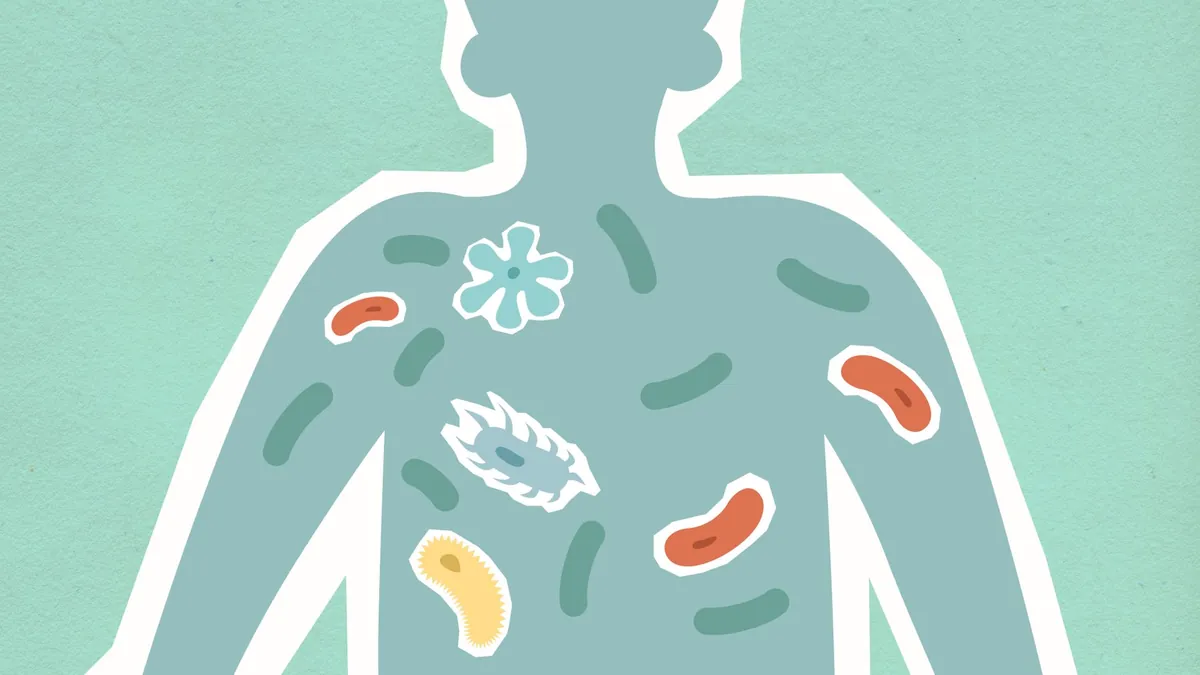
Scientists have found that saccharin can actually alter the gut microbiome. Think of your gut microbiome as a bustling city inside you, full of trillions of tiny residents – bacteria, fungi, and other microbes. They play a massive role in everything from digestion and immunity to even our mood. When this city gets disrupted, things can go haywire. And it seems saccharin might be a wrecking ball for this delicate ecosystem.
What does this disruption actually look like? Studies suggest that saccharin can lead to a decrease in beneficial gut bacteria and an increase in potentially harmful ones. This imbalance, known as dysbiosis, is linked to a whole host of health issues. We're talking increased inflammation, potential weight gain (ironically!), and even impaired glucose tolerance, which is a precursor to type 2 diabetes. So, that zero-calorie sweet fix might actually be working against your metabolic health.
This news hit me hard because I’ve been using these substitutes for years. It’s a tough pill to swallow when you thought you were doing something right. But knowledge is power, right? Understanding the potential pitfalls of popular sugar substitutes like saccharin helps us make more informed choices. It’s not about demonizing every single alternative, but about being aware of the new science and listening to our bodies.
So, what’s a sweet-tooth-having person to do? It’s about finding a balance and exploring other options. I’ve started looking at natural sweeteners in moderation. Think a tiny drizzle of honey or maple syrup, or even just learning to appreciate the natural sweetness in fruits. It’s a journey, and I’m still figuring it out. But the goal is to reduce reliance on intense sweetness altogether. If you're looking for ways to cut back on sugar, check out this related healthy tip on mindful eating.
For a long time, the focus was solely on calorie counting and avoiding sugar. Now, we're seeing that the *type* of sweetener and its impact on our internal ecosystem matters just as much, if not more. It’s a paradigm shift in how we should think about sweetening our foods and drinks.
My own experience has taught me that perfection isn't the goal. It's about progress and making small, sustainable changes. If you're struggling with this, you're not alone. This journey requires patience and self-compassion. For more practical advice on navigating dietary choices, consider this another practical guide.
The 2-Minute Win
Next time you reach for a sweetener packet, pause. Ask yourself if you truly need it. Can you enjoy your coffee or tea as is, or with a splash of milk? Making this one small conscious choice can be a powerful step toward reducing your reliance on sweeteners.
This isn't about going cold turkey on everything sweet. It's about being mindful. It's about understanding that the popular sugar substitute's secret health hazard uncovered by scientists is a real concern for many of us. It’s about making educated decisions for our long-term well-being. For a deeper dive into gut health, I found this similar wellness insight incredibly helpful.
I’m personally experimenting with monk fruit and stevia, but I’m using them sparingly. The key seems to be moderation and not treating them as a free pass to consume unlimited sweet-flavored items. It’s about retraining our taste buds. This requires consistency, and you can stay consistent with this approach by tracking your progress.
Ultimately, the science is still evolving, but the message is clear: we need to be more critical consumers of what we put into our bodies, especially when it comes to sugar substitutes. It’s time to question the “health halo” around them and explore options that truly support our health. You can explore more gut guides to learn more.
Educational only — not medical advice.
Recommended Reading
- Mindful Eating Techniques for Better Digestion and Sustainable Weight Management
- Your Guide to Mindful Eating and Calorie Awareness
- Slim Down the Vegan Way: Lose Weight Without Counting Calories!
More in gut
 gut
gutBoost Your Gut Microbiome: The Key to Better Health & Digestion
Discover how boosting your gut microbiome is the key to better health & digestion. Learn practical tips to increase gut
Read article → gut
gutBeyond Delicious: How Cheese Bacteria Boost Your Gut
Discover how the bacteria in cheese, like Lactobacillus and Bifidobacterium, can significantly boost your gut health. Le
Read article →Related posts
gutBoost Your Gut Microbiome: The Key to Better Health & Digestion
Discover how boosting your gut microbiome is the key to better health & digestion. Learn practical tips to increase gut
Read article →gutBeyond Delicious: How Cheese Bacteria Boost Your Gut
Discover how the bacteria in cheese, like Lactobacillus and Bifidobacterium, can significantly boost your gut health. Le
Read article → gut
gutGut Health for Weight Loss: The Microbiome Connection and Your Waistline
Discover how Gut Health for Weight Loss is linked to your microbiome. Learn practical tips for a healthier gut to suppor
Read article →