Mindfulness Meditation for Daily Stress Relief: Simple Techniques for a Calmer You

Key takeaways
- I remember one Tuesday morning, staring at my overflowing inbox, the coffee lukewarm, and feeling that familiar knot tighten in my stomach.
- It felt like the world was spinning too fast, and I was just trying to hold on.
- Track what feels sustainable and adjust gradually.
I remember one Tuesday morning, staring at my overflowing inbox, the coffee lukewarm, and feeling that familiar knot tighten in my stomach. It felt like the world was spinning too fast, and I was just trying to hold on. Sound familiar? If you're like me, juggling work, family, and just, you know, *life* in the US, the idea of finding peace can seem like a distant dream. But what if I told you that **Mindfulness Meditation for Daily Stress Relief** isn't some guru-level commitment? It's about finding small pockets of calm, even on your busiest days. I've learned that even a few minutes can make a world of difference in managing daily stress.
For years, I thought meditation meant sitting cross-legged for an hour, chanting, and achieving some sort of zen enlightenment. My reality was more like fidgeting, thinking about my grocery list, and feeling like a failure. The truth is, mindfulness is simply about paying attention, on purpose, without judgment. It's a skill, and like any skill, it gets easier with practice. And the best part? You don't need special equipment or a quiet retreat. You can do it right here, right now.
The 2-Minute Win
Right now, take one minute to focus solely on your breath. Notice the sensation of air entering your nostrils, filling your lungs, and then leaving your body. Don't try to change it, just observe. If your mind wanders, gently bring it back to your breath. That's it. That's mindfulness.
Let's ditch the perfectionism. We're aiming for progress, not a flawless meditation session. The goal of Mindfulness Meditation for Daily Stress Relief is to build resilience, to create a buffer against the everyday onslaught of stressors. Think of it like a mental tune-up, a way to reset your nervous system when it's in overdrive. It's about learning to respond to stress, rather than just reacting.
One of my go-to techniques is the "Body Scan." It takes about five minutes, and I often do it while I'm waiting for my computer to boot up or even sitting in my car before heading into a meeting. You just bring your awareness to different parts of your body, starting with your toes and slowly moving up to your head. Notice any sensations – warmth, coolness, tingling, pressure, or even nothing at all. There's no right or wrong way to feel. It's a fantastic way to reconnect with your physical self and release tension you didn't even know you were holding. This is a simple yet powerful related healthy tip.
Another simple technique I rely on is "Mindful Listening." This is perfect for when you're feeling overwhelmed by noise or distractions. Instead of getting annoyed, try to simply listen. Pick one sound – the hum of the refrigerator, traffic outside, or even a co-worker's typing – and just focus on it. Notice its qualities: is it loud, soft, rhythmic, intermittent? This practice helps train your attention and can be surprisingly calming. It's a great way to practice being present, which is a key aspect of another practical guide on staying grounded.
I also love the "Three Breaths Exercise." It's exactly what it sounds like. Take three intentional, deep breaths. On the first, just notice your breath. On the second, notice any physical sensations in your body. On the third, notice your thoughts and emotions. This short practice can be done anywhere – in line at the grocery store, during a commercial break, or before a difficult conversation. It's a quick reset button for your nervous system and a cornerstone of effective stress management. This is a similar wellness insight to what I've found helpful.
The real secret isn't finding hours of quiet time; it's about integrating mindfulness into the *chaos*. Think of it like finding a calm eye in the storm. It's about recognizing that stress is a signal, not a life sentence.
Consistency is key, but again, we're not aiming for perfection. Maybe you only manage a minute some days. That's okay! The effort itself is what matters. Building a habit takes time, and there are plenty of resources to help you stay consistent with this. The aim is to gradually build your capacity to handle stress more effectively, leading to a calmer, more centered you. This is a vital part of any stress reduction plan.
For those moments when you feel completely swamped, try "Mindful Walking." It doesn't require a nature trail. Just pay attention to the sensation of your feet hitting the ground as you walk from your desk to the printer, or even just pacing in your living room. Notice the movement of your legs, the rhythm of your steps. It's about bringing your full attention to a simple, everyday activity. This is a wonderful way to explore more mental wellness guides.
Remember, Mindfulness Meditation for Daily Stress Relief is a journey, not a destination. Be kind to yourself. Some days will be easier than others. The fact that you're trying is a huge win. Educational only — not medical advice.
Recommended Reading
- Master Your Stress: Simple Mindfulness Techniques for a Calmer You
- Tired of Burnout? Simple Daily Stress Management
- The Secret to Stress-Free Weeknight Meals: Simple & Healthy Recipes
More in stress
 stress
Mastering Stress: Mindfulness Techniques for Modern Life
Struggling with stress? Discover practical, science-backed mindfulness techniques for modern life to reduce anxiety, boo
Read article → stress
Tired of Burnout? Simple Daily Stress Management
Feeling drained by workplace stress? Discover simple, daily strategies to manage mental fatigue and prevent burnout. Lea
Read article →Related posts
stressMastering Stress: Mindfulness Techniques for Modern Life
Struggling with stress? Discover practical, science-backed mindfulness techniques for modern life to reduce anxiety, boo
Read article →stressTired of Burnout? Simple Daily Stress Management
Feeling drained by workplace stress? Discover simple, daily strategies to manage mental fatigue and prevent burnout. Lea
Read article →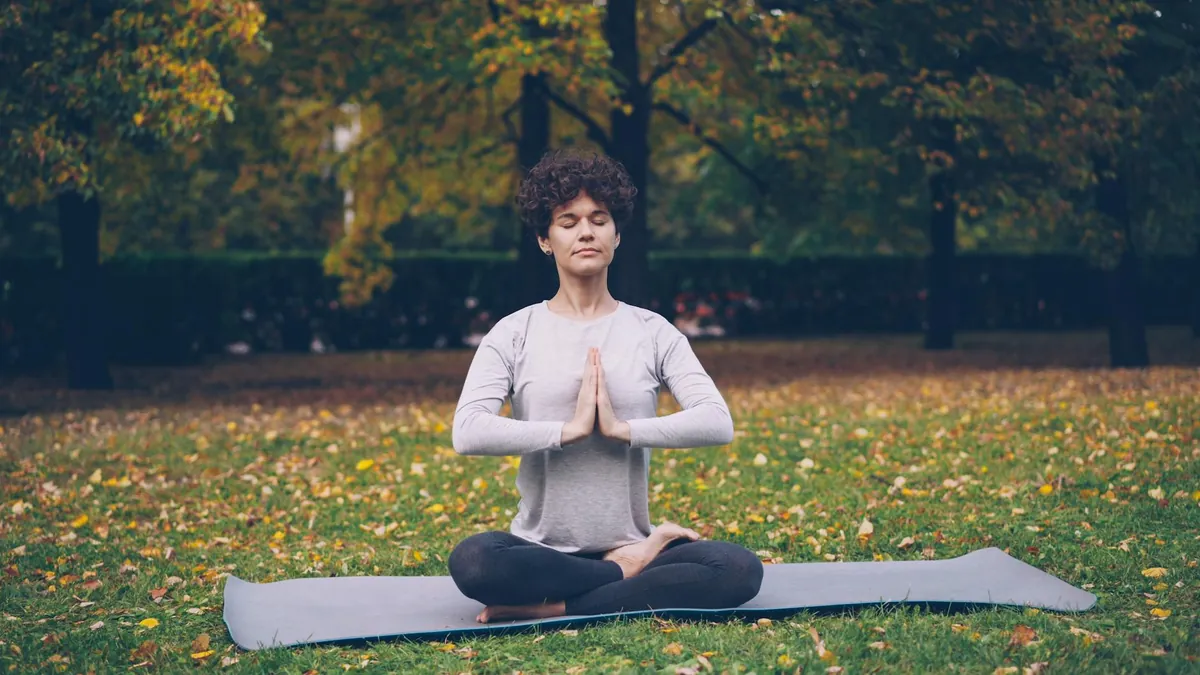 stress
Feeling Stressed? Try These Nervous System Hacks
Discover practical, science-backed techniques to calm your nervous system and manage stress. Learn how to hack your stre
Read article →