How to Maintain Strength and Independence as You Age
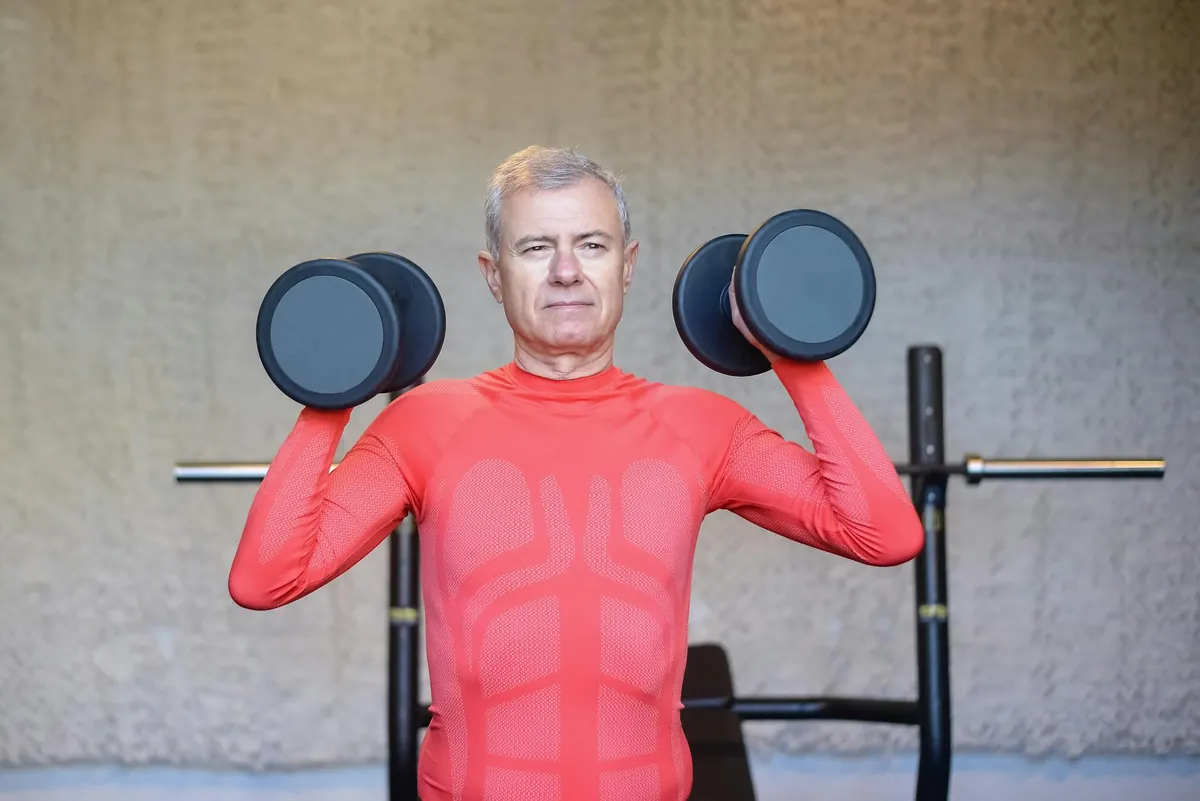
Quick answerStand up right now and do 5 chair squats. Feel that?
Key takeaways
- Stand up right now and do 5 chair squats.
- Feel that?
- Track what feels sustainable and adjust gradually.
The Big Lie
You're destined to become frail and dependent as you get older.
The Human Reality
While our bodies do change, frailty and dependence are NOT inevitable. With the right focus on strength, balance, and overall health, many people maintain a high level of independence well into their 70s, 80s, and beyond. It's about smart choices, not just genetics.
The 2-Minute Win
Stand up right now and do 5 chair squats. Feel that? That's your functional strength in action. Make it a habit!
Don't wait for a wake-up call. The best time to start building your strength and ensuring your independence is right now. Even small, consistent efforts compound over time.Here’s a simple plan to get you started: ### Your Independence Action Plan * **Daily Movement:** Aim for at least 15-20 minutes of walking or light activity. * **Strength Focus (2-3x/week):** Include exercises like squats, lunges, push-ups (modified if needed), and rows. * **Balance Practice:** Dedicate 5 minutes daily to balance exercises. * **Hydration & Nutrition:** Drink plenty of water and focus on whole foods. * **Listen to Your Body:** Rest when you need to, and don't push through sharp pain. Educational only — not medical advice.
More in longevity
 longevity
Simple Daily Routines for a Healthier, Longer Life
Discover science-backed daily habits and routines to boost your health and longevity. Learn practical tips for a longer,
Read article → longevity
What Daily Habits Boost Longevity?
Discover evidence-aligned daily routines and habits that can help you live a longer, healthier life. Learn practical tip
Read article →Related posts
longevitySimple Daily Routines for a Healthier, Longer Life
Discover science-backed daily habits and routines to boost your health and longevity. Learn practical tips for a longer,
Read article →longevityWhat Daily Habits Boost Longevity?
Discover evidence-aligned daily routines and habits that can help you live a longer, healthier life. Learn practical tip
Read article → longevity
What Daily Routine Extends Life? Expert Insights
Discover evidence-aligned daily routines that promote longevity. Learn practical tips from experts to build healthier ha
Read article →