How to Start Meditating Today: A Simple Guide
Key takeaways
- I remember staring at my to-do list, feeling like I was drowning.
- My mind was a chaotic mess, jumping from one worry to the next.
- Focus on: The Power of Your Breath.
I remember staring at my to-do list, feeling like I was drowning. My mind was a chaotic mess, jumping from one worry to the next. It felt impossible to catch a break, let alone find any peace. Then, a friend suggested I try meditation. Honestly, I scoffed. "Meditation? Me? I can't even sit still for five minutes!" But I was desperate.
The truth is, you don't need to be a guru or have hours to spare. **Mindfulness, at its core, is about paying attention to the present moment without judgment.** And the easiest way to start is with simple breathing exercises. They’re your secret weapon against overwhelm, and you can do them anywhere.
The Power of Your Breath
Your breath is always with you, a constant anchor to the present. When your thoughts are racing, focusing on your breath can be incredibly grounding. It’s a simple, free tool that’s always accessible.
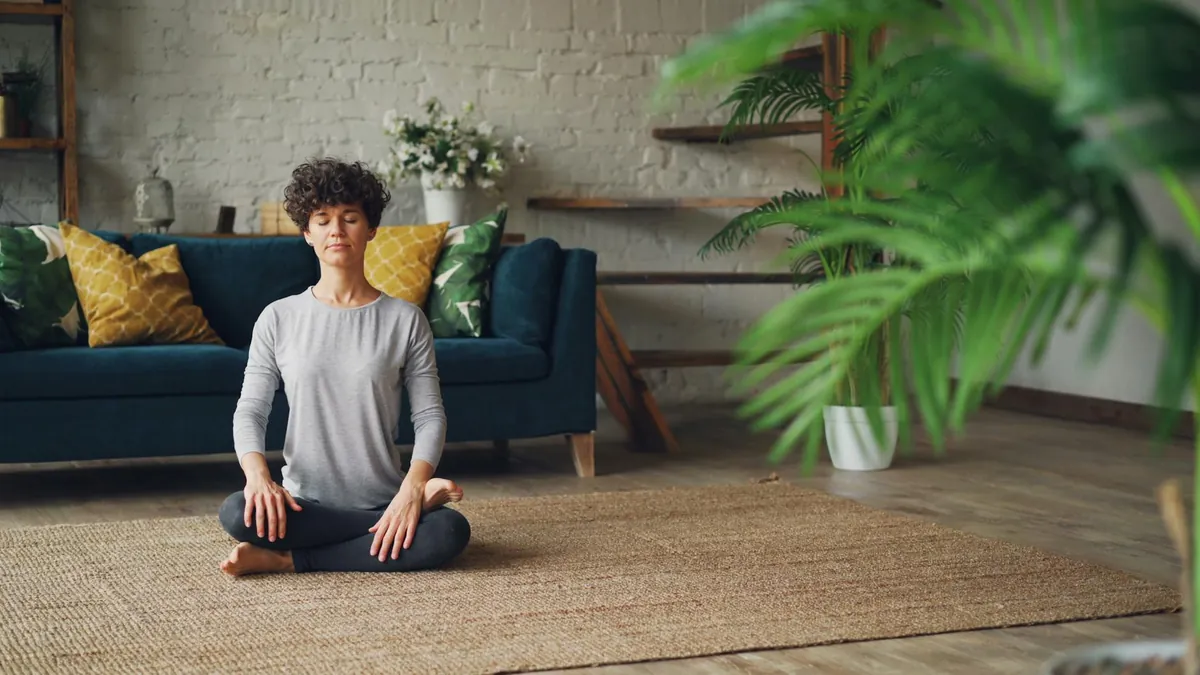
Try this: Find a comfortable seat. You don't need a special cushion or a quiet room (though those can help!). Just sit in a chair, on your couch, or even at your desk. Close your eyes if that feels comfortable, or soften your gaze.
Now, just notice your breath. Don't try to change it. Feel the air coming in through your nose or mouth, and feel it going out. Notice the rise and fall of your chest or belly. That’s it. That’s the practice.
The 2-Minute Win
Right now, take 60 seconds to just focus on your breath. Inhale deeply, exhale slowly. Notice the sensation. You just meditated!
When Your Mind Wanders (And It Will!)
When you notice your mind has drifted off to your grocery list or that awkward conversation from yesterday, don't get frustrated. **Acknowledge the thought without judgment.** Then, gently redirect your attention back to your breath. This is the core of the practice.
Every time you bring your attention back, you're strengthening your mindfulness muscle. It's not about perfection; it's about practice. Think of it as a gentle reminder, not a reprimand. This skill can help with managing stress and improving focus, contributing to your overall mental wellness.
Pro-Tip: The Body Scan
If focusing solely on the breath feels tough, try a simple body scan. Mentally scan your body from your toes to the top of your head, noticing any sensations – warmth, coolness, tension, relaxation. This can be an easier way to anchor your attention when your mind is particularly busy.
Making it a Habit
Consistency is more important than duration. Even 5 minutes a day can make a significant difference. Think of it like building any other healthy habit, like drinking water or getting some exercise. You can find more tips on building healthy habits here.
Start small. Maybe it's just two minutes before your morning coffee or five minutes before bed. The goal is to create a sustainable routine. For more on staying consistent, check out this practical guide.
Your Meditation Starter Checklist
- Find a comfortable spot.
- Set a timer (even 2-3 minutes is great!).
- Focus on your breath.
- Gently return your attention when your mind wanders.
- Be kind to yourself.
Remember, this journey is personal. What works for one person might not work for another. Don't strive for an "enlightened" state; strive for a little more calm and self-awareness each day. You've got this! For more insights, explore more mental wellness guides.
Educational only — not medical advice.
More in mental-wellness
 mental-wellness
Mental Fatigue? Try These Quick Burnout Fixes
Feeling drained and overwhelmed? Discover simple, practical ways to manage workplace stress and mental fatigue to preven
Read article → mental-wellness
How to Meditate Simply: Your Beginner's Breathing Guide
Feeling overwhelmed? Learn simple meditation and breathing techniques for beginners. I'll show you how to find calm in j
Read article →Related posts
mental-wellnessMental Fatigue? Try These Quick Burnout Fixes
Feeling drained and overwhelmed? Discover simple, practical ways to manage workplace stress and mental fatigue to preven
Read article →mental-wellnessHow to Meditate Simply: Your Beginner's Breathing Guide
Feeling overwhelmed? Learn simple meditation and breathing techniques for beginners. I'll show you how to find calm in j
Read article → mental-wellness
What Are Quick Stress Relief Routines?
Discover simple, daily routines to lower your stress load and improve your well-being. Find practical tips and actionabl
Read article →