Eating Less Protein Could Slow Aging, Review Of 350 Studies Finds

Key takeaways
- For years, dietary advice in the United States has emphasized high-protein intakes for fitness, metabolic health, and muscle preservation.
- However, emerging longevity research reveals a far more nuanced picture.
- Focus on: The Biological Mechanism: mTOR and Autophagy.
For years, dietary advice in the United States has emphasized high-protein intakes for fitness, metabolic health, and muscle preservation. However, emerging longevity research reveals a far more nuanced picture. Eating Less Protein Could Slow Aging, Review Of 350 Studies Finds, suggesting that balancing protein intake rather than maximizing it may activate critical cellular repair pathways essential for long-term healthspan.
The Biological Mechanism: mTOR and Autophagy
To understand why protein moderation matters, scientists focus on the mechanistic target of rapamycin (mTOR) pathway. mTOR acts as a cellular nutrient sensor. When amino acids—particularly essential amino acids like leucine—are abundant, mTOR triggers cell growth and protein synthesis. While vital for building muscle tissue, continuous mTOR activation downregulates autophagy.
Autophagy is the biological recycling system that clears misfolded proteins and damaged organelles. When autophagy is suppressed over extended periods, cellular debris accumulates, contributing to biological aging and metabolic dysregulation. As detailed in a related evidence-based guide, downregulating nutrient sensors through strategic protein moderation or periodic restriction allows cells to enter maintenance mode, reducing oxidative stress and promoting longevity.
Clinical Evidence vs. Practical Application
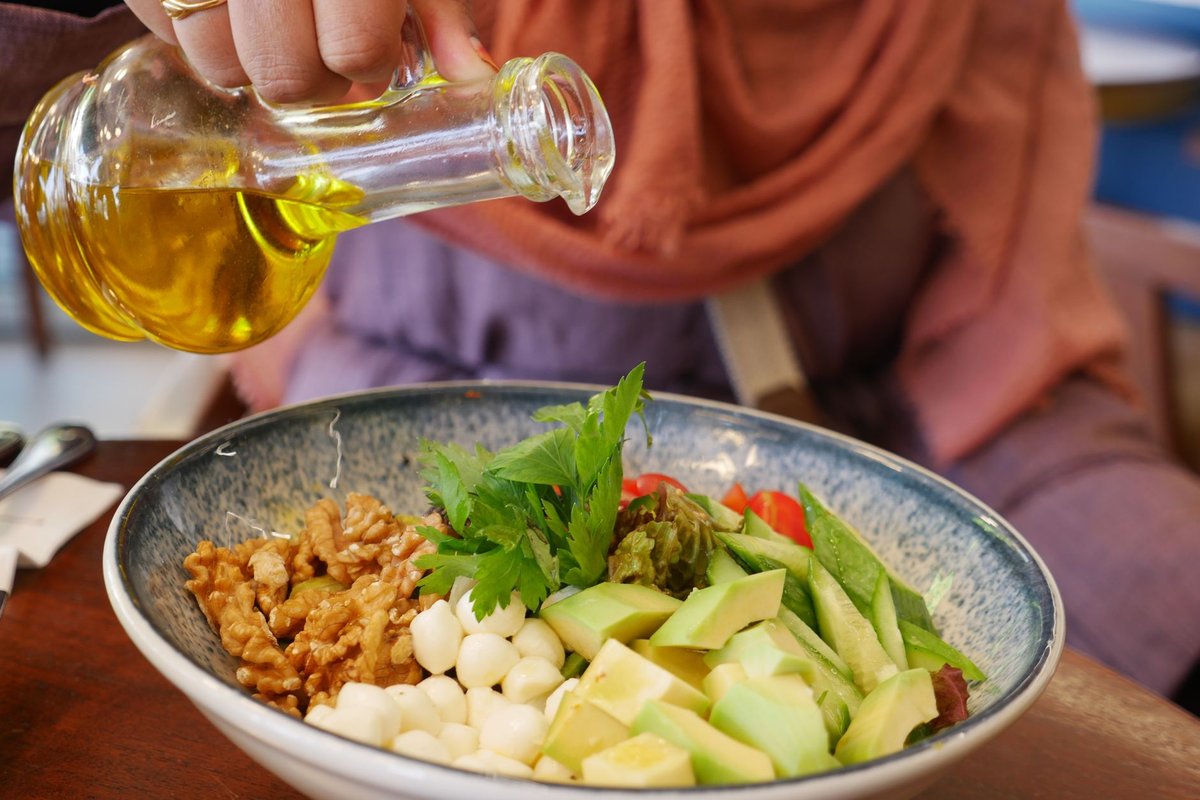
While high protein intakes remain beneficial for specific cohorts, such as powerlifting athletes or adults over 65 struggling with sarcopenia, middle-aged adults may benefit from calibrated moderation. Recent research syntheses indicate that shifting from a heavy animal-protein diet to a plant-forward pattern rich in healthy fats—such as high-quality Extra Virgin Olive Oil—helps reduce excess leucine while delivering protective polyphenols.
Studies show that substituting animal proteins with complex carbohydrates and plant proteins helps lower circulating insulin-like growth factor 1 (IGF-1) levels, a biomarker associated with accelerated biological aging when chronically elevated. Implementing a practical wellness strategy around dietary balance supports both metabolic flexibility and cellular rejuvenation.
"Longevity biology teaches us that constant cellular growth comes at the expense of cellular repair. Calibrating amino acid intake allows the body to prioritize cleaning and maintenance over continuous expansion."
Practical Daily Action
Calculate your daily protein baseline around 0.8 to 1.0 grams per kilogram of ideal body weight for mid-life adults (unless otherwise instructed by your healthcare provider). Replace one animal-protein meal each day with a plant-rich alternative drizzled with extra virgin olive oil to lower mTOR stimulation while maintaining satiety.
Constructing a Balanced Longevity Routine
Achieving a sustainable approach to dietary protein requires a structured daily balance. Incorporating rich sources of monounsaturated fats, leafy greens, and fibers ensures you feel full without overburdening nutrient-sensing pathways. For steps on structuring your meals, explore our daily habit guide.
Maintaining a consistent routine breakdown helps balance cellular protection with physical resilience. Combining moderate protein intake with regular resistance training helps preserve lean muscle mass without triggering hyper-activation of aging pathways.
To deepen your understanding of nutrition science, feel free to explore more longevity articles.
Educational and informational only — not medical advice.
Disclosure: This page may contain affiliate links. If you purchase through these links, we may earn a small commission at no extra cost to you.
Scientific References & Sources
Recommended Reading
- Even Moderate Drinking Linked To Cancer And Early Death, Major Study Finds: 5 Fixes
- Millions Take Calcium And Vitamin D For Bone Health. A Major Review Finds Little Benefit
- Can Extra Virgin Olive Oil Fight Cancer and Viruses? Experts Say Yes
Evidence-Informed Transparency
This article synthesizes peer-reviewed scientific studies and guidance from leading health institutions (including NIH, CDC, and FDA). It is educational only and does not constitute medical advice, clinical diagnosis, or individualized treatment. Always consult a licensed healthcare professional for personal health concerns.
More in longevity
 longevity
Even Moderate Drinking Linked To Cancer And Early Death, Major Study Finds: 5 Fixes
Even Moderate Drinking Linked To Cancer And Early Death, Major Study Finds. Discover 5 practical, science-backed steps t
Read article → longevity
Scientists Discover A Surprising Brain Benefit Of Eating Peanuts Every Day
Scientists discover a surprising brain benefit of eating peanuts every day. Boost your memory, lower stress, and improve
Read article →Related posts
longevityEven Moderate Drinking Linked To Cancer And Early Death, Major Study Finds: 5 Fixes
Even Moderate Drinking Linked To Cancer And Early Death, Major Study Finds. Discover 5 practical, science-backed steps t
Read article →longevityScientists Discover A Surprising Brain Benefit Of Eating Peanuts Every Day
Scientists discover a surprising brain benefit of eating peanuts every day. Boost your memory, lower stress, and improve
Read article → longevity
Six Popular Sugar Substitutes Linked To Faster Brain Aging: What to Know
Learn how six popular sugar substitutes linked to faster brain aging affect cognitive health and discover simple, real-f
Read article →