What Daily Routines Eases Stress Most Effectively?
Key takeaways
- In today's fast-paced world, stress often feels like an unavoidable part of life.
- From work deadlines to personal commitments, the pressure can build up, impacting our mood, energy, and overall health.
- Focus on: Feeling Overwhelmed? Your Daily Routine Can Be Your Secret Weapon..

Feeling Overwhelmed? Your Daily Routine Can Be Your Secret Weapon.
In today's fast-paced world, stress often feels like an unavoidable part of life. From work deadlines to personal commitments, the pressure can build up, impacting our mood, energy, and overall health. But what if you could actively reduce your stress load, not just by reacting to it, but by building a proactive defense into your day? The good news is, you can. Simple, consistent daily routines can make a significant difference in how effectively you manage stress.
This isn't about adding more to your plate; it's about integrating small, powerful habits that create space for calm and resilience. Educational only — not medical advice.
Practical Strategies for a Less Stressful Day
The key to effective stress management lies in consistency and personalization. What works for one person might not be the perfect fit for another, but exploring these proven strategies can help you build a routine that supports your well-being.
Start Your Day with Intention
How you begin your day can set the tone for the hours ahead. Instead of immediately checking emails or scrolling through social media, try dedicating the first 15-30 minutes to yourself. This could involve:
- Gentle Movement: A few minutes of stretching or a short walk can wake up your body and mind.
- Mindful Breathing: Simple deep breathing exercises can calm your nervous system.
- Journaling: Jotting down your thoughts, gratitude, or intentions for the day.
For example, Sarah, a marketing manager, starts her day with 10 minutes of guided meditation using an app. She finds that this quiet time helps her approach her busy workday with a clearer head and less reactivity to unexpected challenges.
Move Your Body Throughout the Day
Physical activity is a powerful stress reliever. You don't need intense workouts to reap the benefits. Short bursts of movement can be incredibly effective:
- Desk Stretches: Take a break every hour to stretch your neck, shoulders, and back.
- Short Walks: Step outside for a 10-15 minute walk during your lunch break.
- Active Commute: If possible, walk or bike part of your commute.
Regular physical activity can improve your mood and energy levels, making it easier to cope with daily stressors. Consider exploring home workout options if getting to a gym is a challenge.
Mindful Eating and Hydration
What you eat and drink significantly impacts your stress levels. Focusing on whole, unprocessed foods can support your body's resilience. Staying hydrated is also crucial for cognitive function and energy.
- Balanced Meals: Prioritize fruits, vegetables, lean proteins, and whole grains.
- Limit Caffeine and Sugar: Excessive intake can exacerbate anxiety.
- Water, Water, Water: Keep a water bottle handy and sip throughout the day.
Exploring healthy recipes can make nourishing your body enjoyable and sustainable. Remember, your gut health also plays a role in your mental well-being, so consider how your diet supports your gut health.
Prioritize Rest and Relaxation
In our productivity-obsessed culture, downtime is often seen as a luxury, but it's a necessity for stress management. Schedule moments of relaxation into your day:
- Short Breaks: Step away from your work for 5-10 minutes every few hours.
- Engage in Hobbies: Spend time doing something you genuinely enjoy.
- Disconnect: Set boundaries around screen time, especially before bed.
Adequate sleep is foundational for stress recovery. Aim for 7-9 hours of quality sleep per night. Creating a relaxing bedtime routine can significantly improve your sleep quality.
Common Mistakes to Avoid
While building new routines, it's easy to fall into common traps:
- Trying to Do Too Much Too Soon: Overhauling your entire routine overnight can lead to burnout and discouragement. Start small and build gradually.
- Perfectionism: Don't let the pursuit of a "perfect" routine prevent you from implementing any routine at all. Progress over perfection is key.
- Skipping Self-Care When Stressed: This is precisely when you need these practices the most. Make them non-negotiable.
Your Daily Stress-Lowering Checklist
Here’s a simple checklist to help you implement these strategies:
- [ ] Dedicate 15 minutes to a morning intention-setting practice (e.g., meditation, journaling).
- [ ] Incorporate at least 10 minutes of movement during your workday.
- [ ] Drink an adequate amount of water throughout the day.
- [ ] Schedule at least one 10-minute break for pure relaxation.
- [ ] Practice a wind-down routine before bed to promote better sleep.
Remember, building new habits takes time and patience. Be kind to yourself throughout the process.
Frequently Asked Questions
How quickly can I expect to see results from these routines?
Many people notice a difference in their mood and stress levels within a few days to a couple of weeks of consistent practice. However, significant changes often take longer as habits become ingrained.
What if I don't have much time in my day?
The beauty of these routines is their flexibility. Even 5-10 minutes dedicated to mindfulness, movement, or a short break can make a difference. Focus on consistency rather than duration.
Can these routines replace professional help for severe stress or anxiety?
These routines are excellent tools for managing everyday stress and building resilience. However, they are not a substitute for professional medical advice or treatment for diagnosed mental health conditions. If you are experiencing severe stress or anxiety, please consult a healthcare professional.
How can I stay motivated to stick with my routines?
Start small, track your progress, find an accountability partner, and focus on how good you feel after completing your routine. Celebrate small wins to stay motivated.
Are there specific foods that can help reduce stress?
Yes, focusing on a balanced diet rich in fruits, vegetables, whole grains, and lean proteins can support your body's ability to manage stress. Foods rich in omega-3 fatty acids, magnesium, and B vitamins may also be beneficial. Staying hydrated is also key.
More in mental-wellness
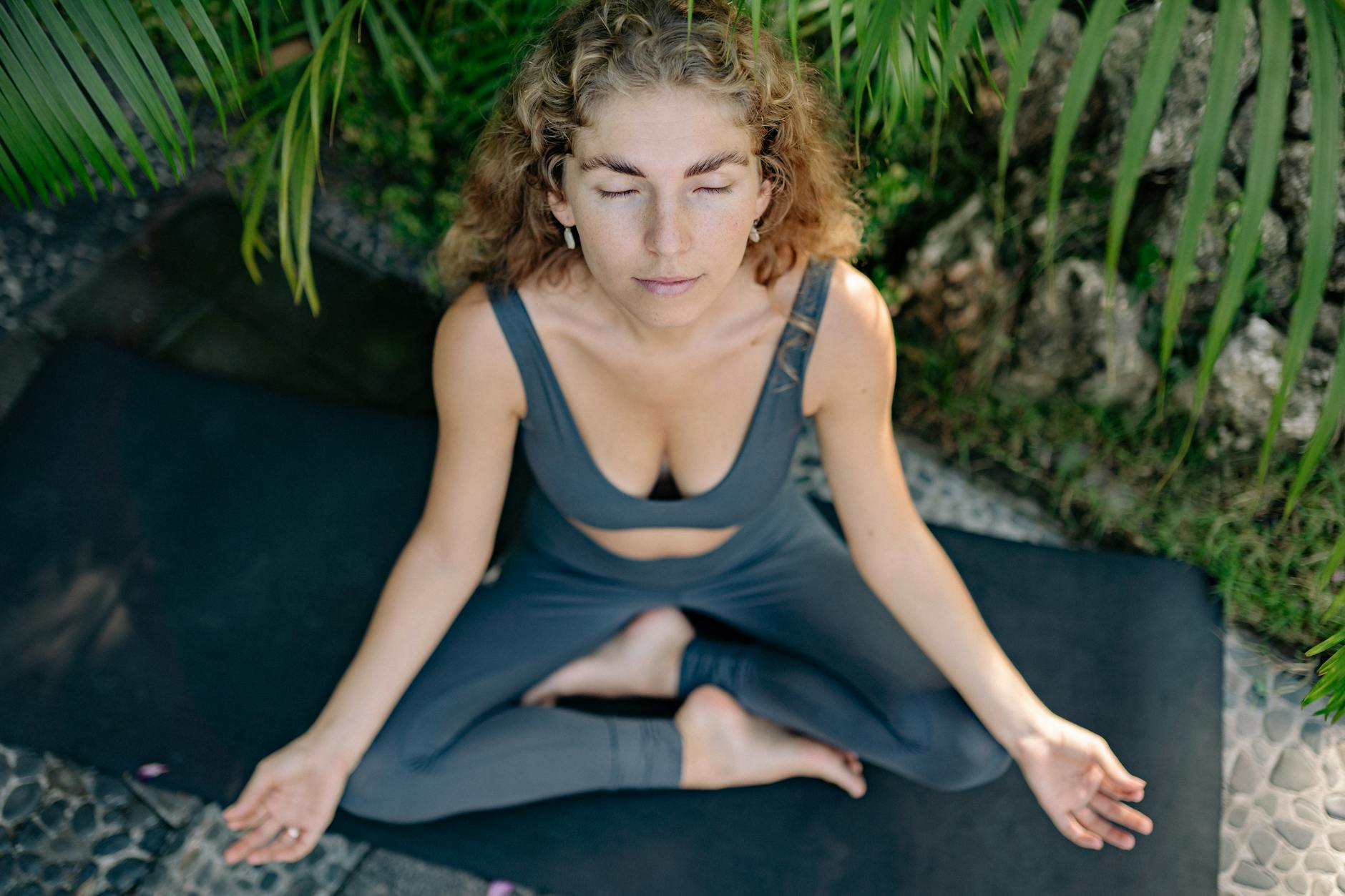
Feeling Stressed? Build Emotional Strength
Learn practical ways to manage stress and build emotional resilience for a calmer, stronger you. Discover simple techniques you can use toda
Read more →
Can Daily Habits Lower Your Stress Levels?
Discover practical daily routines and simple habits to effectively reduce your stress load and improve overall well-being. Learn actionable
Read more →Related posts
Feeling Stressed? Build Emotional Strength
Learn practical ways to manage stress and build emotional resilience for a calmer, stronger you. Discover simple techniques you can use toda
Read more →Can Daily Habits Lower Your Stress Levels?
Discover practical daily routines and simple habits to effectively reduce your stress load and improve overall well-being. Learn actionable
Read more →
What is Emotional Resilience and How to Build It?
Discover what emotional resilience is and learn practical strategies to build it for better stress management and overall mental wellness.
Read more →