Daily Mindfulness for Stress Relief: Simple Practices for a Calmer You
Key takeaways
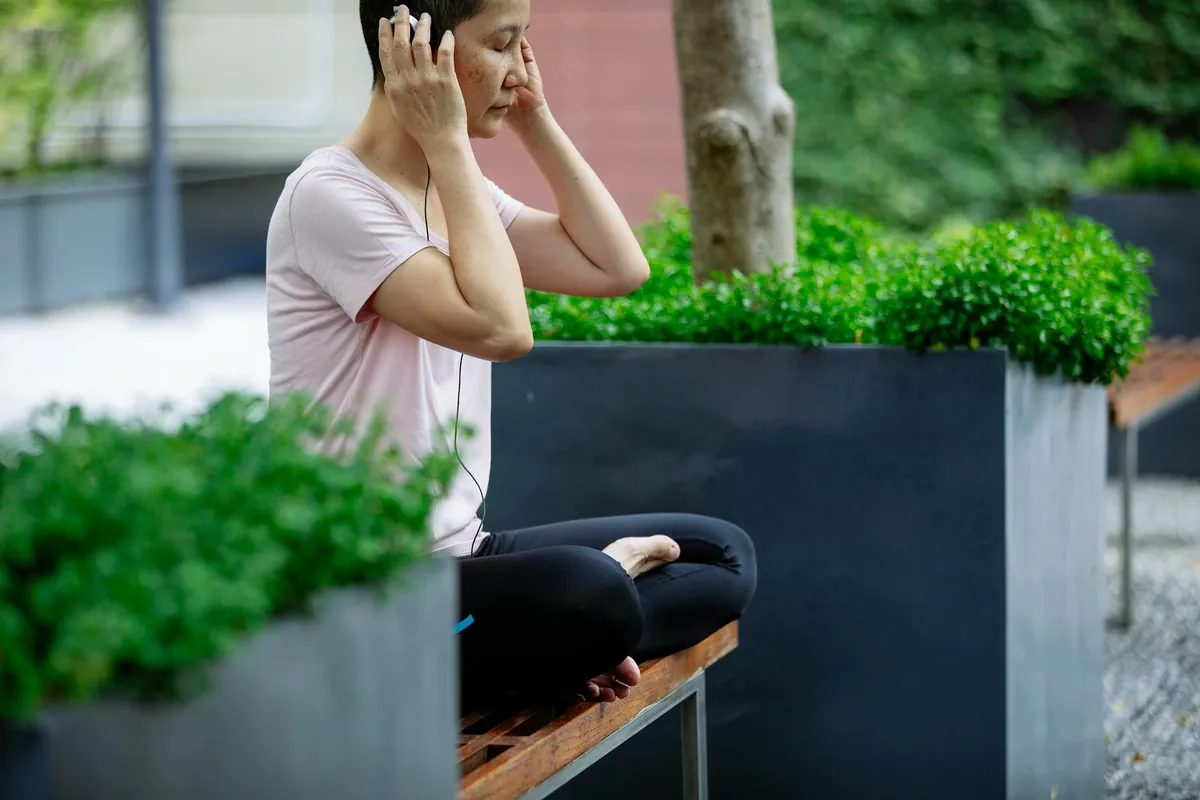
- I used to think mindfulness was this whole big production – hours of silent meditation, sitting cross-legged on a cushion, probably while wearing linen.
- Honestly, it felt impossible.
- Track what feels sustainable and adjust gradually.
I used to think mindfulness was this whole big production – hours of silent meditation, sitting cross-legged on a cushion, probably while wearing linen. Honestly, it felt impossible. My days were a blur of emails, traffic jams, and that nagging feeling I was forgetting something important. The stress was a constant hum under everything. Then I discovered that Daily Mindfulness for Stress Relief isn't about grand gestures; it's about tiny, powerful resets you can do anywhere. It’s about finding moments of calm in the chaos, and I’m here to share how I learned to do just that.
It’s easy to feel overwhelmed, right? We’re bombarded with news, deadlines, and the endless to-do list. My own breaking point came one Tuesday afternoon. I was staring at my computer screen, my shoulders were practically up to my ears, and I realized I couldn't even remember the last time I took a full, deep breath. That’s when I knew I needed a real strategy for Daily Mindfulness for Stress Relief, not just wishful thinking.
The 2-Minute Win
Right now, close your eyes (if it’s safe to do so) and take three slow, deep breaths. Inhale through your nose, filling your belly, and exhale slowly through your mouth. Notice how your shoulders feel after just those three breaths. That’s mindfulness in action!
The science behind this is pretty fascinating. When we’re stressed, our sympathetic nervous system goes into overdrive – the classic “fight or flight” response. Mindfulness practices, even short ones, activate the parasympathetic nervous system, which is our body’s “rest and digest” mode. It’s like flipping a switch from panic to peace. This shift can lower your heart rate, reduce blood pressure, and even decrease stress hormones like cortisol. It’s not magic; it’s your biology responding to intentional calm.
One of my favorite simple practices involves my morning coffee. Instead of scrolling through my phone the second I wake up, I now dedicate the first five minutes to just *being* with my coffee. I notice the warmth of the mug in my hands, the aroma, the taste. I don’t think about my to-do list. I’m just present. It’s a small act, but it sets a completely different tone for my day. This is a key part of Daily Mindfulness for Stress Relief.
Another technique I rely on is the “Body Scan Reset.” When I feel that tension creeping in, I’ll take a minute (literally) to scan my body from head to toe. I notice any tight spots – my jaw, my shoulders, my hips. I don’t try to force them to relax, I just acknowledge where the tension is. Sometimes, simply noticing it allows it to start melting away. It’s a quick way to check in with yourself and reconnect. This is a related healthy tip that I find incredibly useful. Learn more about managing physical tension.
What about those days when you feel like you have zero time? That’s where the “Mindful Commute” comes in. Whether you’re driving, on a bus, or walking, use that time intentionally. If you’re driving, focus on the sensation of your hands on the wheel, the sound of the engine, the colors of the world outside your window. If you're walking, feel your feet on the ground, the air on your skin. It’s about transforming a potentially stressful part of your day into a moment of presence. This is another practical guide to integrating mindfulness. Discover how to make your commute more peaceful.
For those moments when you're stuck in unexpected stress, like a long line at the grocery store, try the "5-4-3-2-1 Grounding Technique." Name 5 things you can see, 4 things you can touch, 3 things you can hear, 2 things you can smell, and 1 thing you can taste. It pulls you out of your anxious thoughts and into the present moment, using your senses. It’s a lifesaver!
Overcoming barriers is part of the journey. I used to get frustrated if I missed a day or felt like I wasn't “doing it right.” The anti-perfectionist in me had to learn to let go. Some days, my mindfulness practice is just noticing that I’m stressed. That’s okay! It’s about progress, not perfection. Consistency is key, and even a few minutes daily makes a difference. This is a similar wellness insight that helped me immensely. Find out why consistency matters.
Sometimes, external aids can help. For instance, I found that a quiet, calming environment can significantly boost my mindfulness practice, especially before bed. Investing in something like a white noise machine can mask distracting household sounds, creating a sanctuary for relaxation and deeper focus. Disclosure: This page may contain affiliate links. This small addition really helped me stay consistent with this. Explore tips for creating a calming space.
Daily Mindfulness for Stress Relief is a skill, and like any skill, it gets easier with practice. Don't aim for enlightenment; aim for a little more peace. You've got this! Ready to explore more guides? Explore more mental wellness guides.
Educational only — not medical advice.
Recommended Reading
- Mindfulness Meditation for Daily Stress Relief: Simple Techniques for a Calmer You
- Can Daily Routines Really Lower Stress Levels?
- Feeling Stressed? Try These Nervous System Hacks
More in mental-wellness
 mental-wellness
Unlock Creatine's Brain and Energy Secrets: It's Not Just for the Gym!
Unlock Creatine's Brain and Energy Secrets: It's Not Just for the Gym! Discover how creatine can boost your daily energy
Read article → mental-wellness
Rethinking Fish Oil: Is Your Fish Oil Supplement Actually Harming Your Brain?
You've been taking fish oil for years, thinking it's a brain-booster, but new research suggests it might be harming your
Read article →Related posts
mental-wellnessUnlock Creatine's Brain and Energy Secrets: It's Not Just for the Gym!
Unlock Creatine's Brain and Energy Secrets: It's Not Just for the Gym! Discover how creatine can boost your daily energy
Read article →mental-wellnessRethinking Fish Oil: Is Your Fish Oil Supplement Actually Harming Your Brain?
You've been taking fish oil for years, thinking it's a brain-booster, but new research suggests it might be harming your
Read article → mental-wellness
Master Your Stress: Simple Mindfulness Techniques for a Calmer You
Feeling overwhelmed? Master your stress with simple mindfulness techniques. Discover practical exercises to stay present
Read article →