Unlock Youth: The Calorie Restriction Secret Revealed! A Diet-Free Path
Key takeaways
- Take a moment right now to identify one food in your kitchen that's rich in beneficial compounds like resveratrol or pterostilbene (e.g., blueberries, dark chocolate, red grapes).
- Make a mental note to include it in your next meal or snack.
- Track what feels sustainable and adjust gradually.
For years, the scientific community has been captivated by calorie restriction. Studies, particularly in animals, have shown that cutting calorie intake significantly can extend lifespan and improve health markers. Think reduced inflammation, better metabolic health, and even a lower risk of age-related diseases. It sounds amazing, right? The challenge, of course, has always been translating this to humans. Who wants to feel perpetually hungry for the sake of a few extra years? I know I didn't. The idea of restricting food intake severely often leads to nutrient deficiencies, fatigue, and a strained relationship with food – something I've battled myself.
But here's where things get really interesting. Researchers are looking beyond just *how much* we eat and focusing on *what* happens inside our cells when we restrict calories. They've identified specific molecular pathways that seem to be activated by CR. These pathways are like cellular messengers, telling our bodies to repair themselves, burn fat more efficiently, and protect against damage. The holy grail is finding ways to activate these same pathways *without* drastically cutting calories. Imagine getting the cellular benefits of CR, like enhanced autophagy (your body's cellular cleanup crew) and improved insulin sensitivity, just by making smarter choices.
One promising area involves compounds found in certain foods that mimic the effects of calorie restriction. Think of it as a 'CR mimetic.' These aren't necessarily new superfoods, but rather specific molecules that can nudge our cells in the right direction. For instance, compounds like resveratrol (found in grapes and red wine) and pterostilbene (found in blueberries) have shown potential in activating SIRT1, a protein linked to longevity and metabolic health. While research is ongoing, the idea is that we might be able to get some of the cellular benefits of CR by incorporating these specific compounds into our diet. It’s a subtle shift, focusing on the quality and specific beneficial compounds within our food, rather than just the quantity.
Another exciting frontier is intermittent fasting (IF). While not strictly calorie restriction, certain IF protocols can lead to periods of reduced calorie intake and trigger similar cellular responses. Some studies suggest that specific fasting patterns, like alternate-day fasting or the 5:2 diet, can activate pathways associated with longevity and improved metabolic function. For me, intermittent fasting was a game-changer when I was looking for a sustainable way to improve my health without the constant dread of dieting. It’s about *when* you eat, not just *what* you eat, and that felt much more manageable. If you're curious about starting, check out this practical guide to intermittent fasting.
Scientists are also investigating drugs that could potentially mimic CR's effects. Rapamycin, a drug used to prevent organ transplant rejection, has shown remarkable lifespan-extending effects in animal studies by activating similar cellular pathways. While it's not something you can just pick up at the pharmacy for anti-aging purposes, it highlights the intense scientific interest in finding pharmacological ways to achieve CR benefits. This research could pave the way for future therapeutic interventions, offering a path for those who struggle with traditional CR.
So, what does this mean for you and me, right now? It suggests that the path to a longer, healthier life might be more nuanced than we thought. Instead of focusing solely on drastic calorie cuts, we can explore strategies that activate our body's natural repair and longevity mechanisms. This could involve incorporating more CR-mimicking compounds into our diet, experimenting with intermittent fasting schedules that work for our lifestyle, or simply focusing on nutrient-dense foods that support cellular health. It’s about working *with* our biology, not against it. For more on supporting your body, consider this related healthy tip.
The beauty of these emerging strategies is that they often align with other healthy habits. Focusing on nutrient density, for example, naturally leads to better food choices. Incorporating periods of fasting can improve gut health and metabolic flexibility. These aren't isolated tricks; they're interconnected elements of a holistic approach to wellness. My journey has taught me that consistency with simple practices is far more effective than sporadic, extreme measures. Finding a sustainable rhythm is key to long-term success, and this similar wellness insight can help.
The 2-Minute Win
Take a moment right now to identify one food in your kitchen that's rich in beneficial compounds like resveratrol or pterostilbene (e.g., blueberries, dark chocolate, red grapes). Make a mental note to include it in your next meal or snack. It’s a small step toward leveraging the science of CR without the diet.
Pro-Tip: Don't get discouraged if you can't implement everything at once. The most impactful changes often come from small, consistent efforts. Focus on one area – maybe adding more berries or trying a 12-hour overnight fast – and build from there. This approach will help you stay consistent.
The research into calorie restriction and its potential diet-free benefits is still evolving. While we wait for more definitive human studies, we can embrace the principles of cellular health and longevity. This might mean prioritizing whole foods, exploring intermittent fasting, and staying informed about scientific breakthroughs. It's an exciting time to be invested in our health, with possibilities emerging that could genuinely help us Unlock Youth: The Calorie Restriction Secret Revealed! and live better, longer lives. For those looking to dive deeper, you can explore more longevity guides.
Educational only — not medical advice.
Recommended Reading
- Intermittent Fasting: Unlock Your Brain's Potential for Better Focus
- Unlock a Healthier Weight: 2 Easy Eating Habits Revealed by Science
- Unlock Better Sleep: Quality Sleep Strategies for Optimal Health & Energy
More in longevity
 longevity
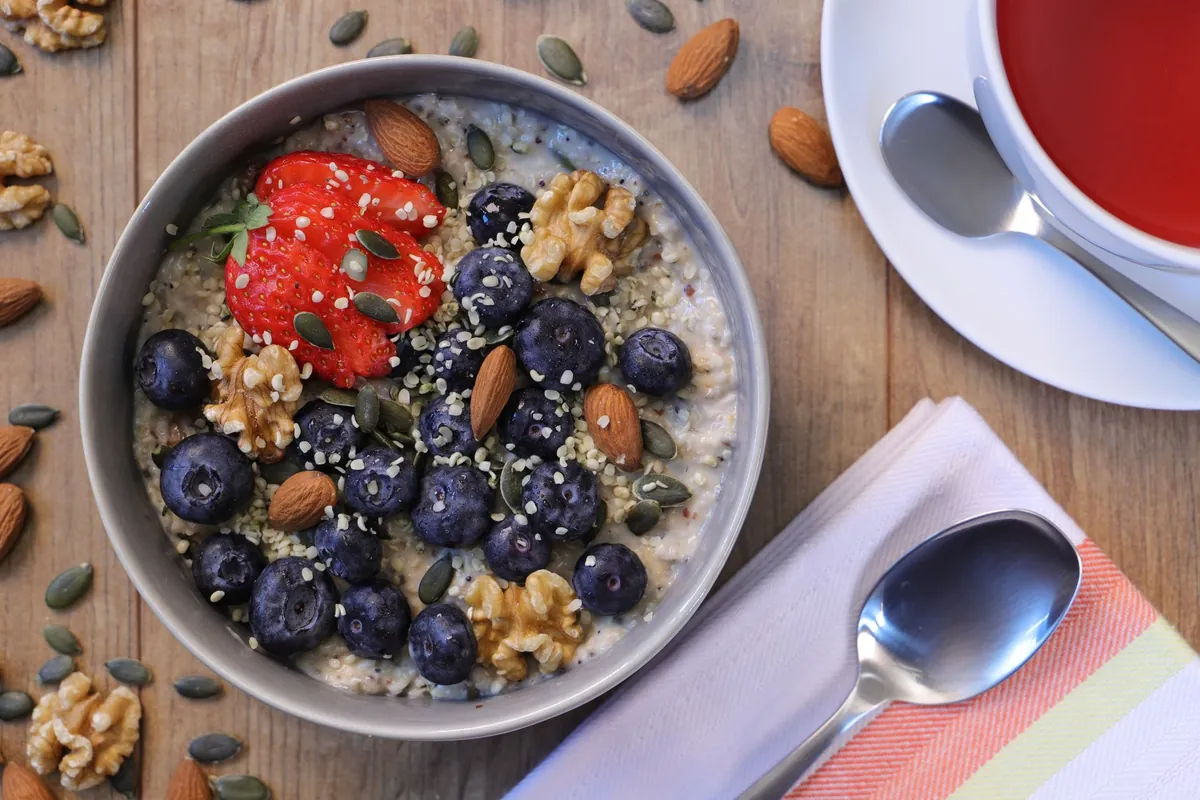
Top Longevity Foods for Optimal Brain Health & Cognitive Function: My Secret Weapons
Discover the top longevity foods for optimal brain health and cognitive function. As someone who's struggled with focus,
Read article → longevity
Unlock Longevity: The Surprising Power of Eating Less Protein
Unlock longevity! Discover the surprising power of eating less protein for a healthier, longer life. Learn how this diet
Read article →Related posts
longevityTop Longevity Foods for Optimal Brain Health & Cognitive Function: My Secret Weapons
Discover the top longevity foods for optimal brain health and cognitive function. As someone who's struggled with focus,
Read article →longevityUnlock Longevity: The Surprising Power of Eating Less Protein
Unlock longevity! Discover the surprising power of eating less protein for a healthier, longer life. Learn how this diet
Read article → longevity
Intermittent Fasting for Longevity: Unlock Your Healthspan
Discover how Intermittent Fasting for Longevity can unlock your healthspan. Learn the science behind cellular repair and
Read article →