Can You Build Muscle With No Equipment? Yes, Here's How!
Key takeaways
- Thinking you need a fancy gym or expensive weights to get stronger?
- Think again!
- Focus on: Unlocking Your Strength: Building Muscle at Home.
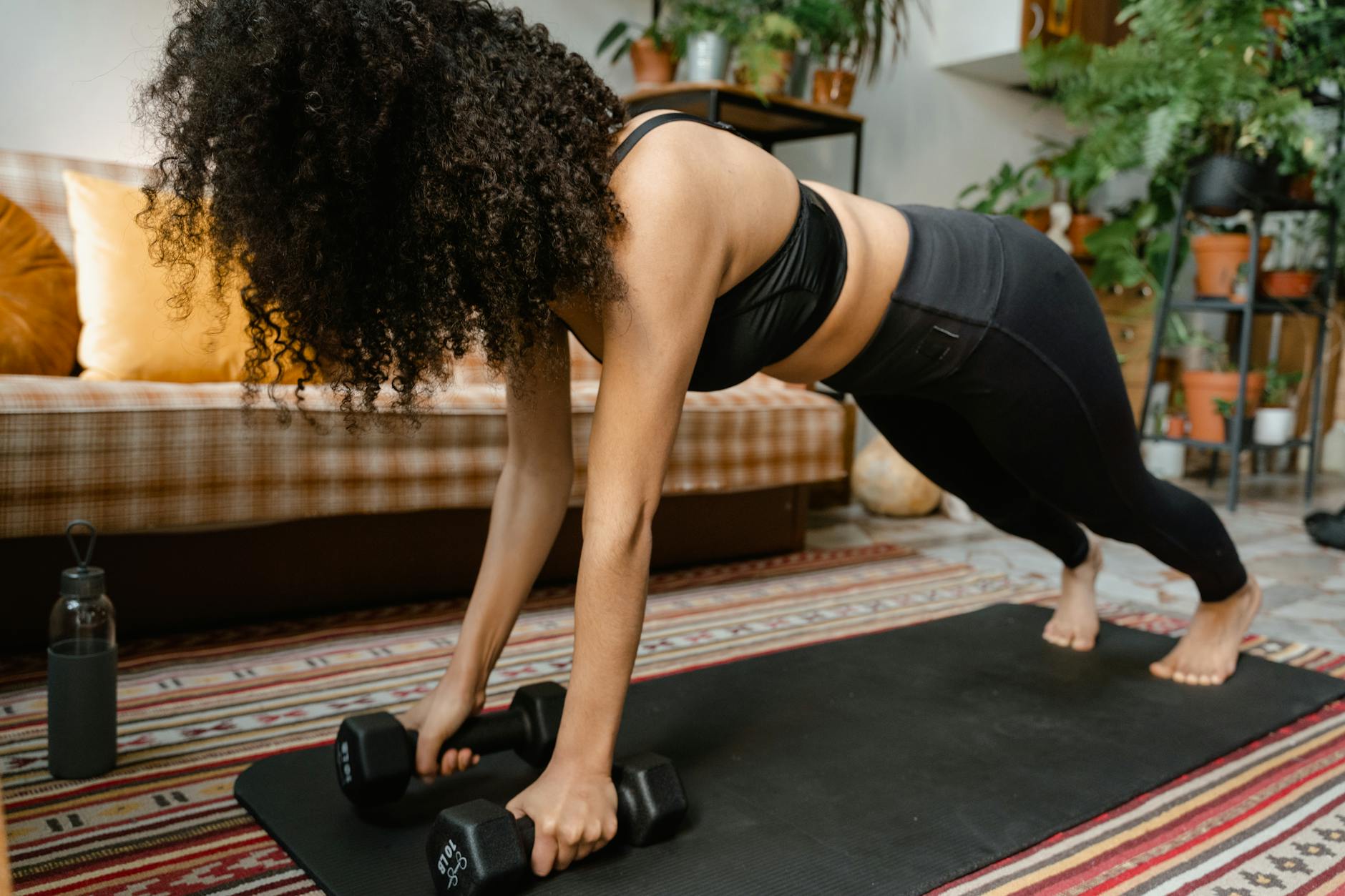
Unlocking Your Strength: Building Muscle at Home
Thinking you need a fancy gym or expensive weights to get stronger? Think again! You can absolutely build muscle and transform your physique using just your own bodyweight. Whether you're short on time, space, or cash, effective bodyweight workouts are within reach. This guide will show you how to harness the power of movement plans that require no equipment, proving that building muscle is more accessible than you might believe.
The Power of Bodyweight Training
Bodyweight exercises leverage your own mass as resistance. By manipulating variables like tempo, range of motion, and exercise variations, you can create significant challenges for your muscles, leading to growth and strength gains. It’s about working smarter, not just harder, and utilizing fundamental movements.
Key No-Equipment Exercises for Muscle Growth
Focus on compound movements that engage multiple muscle groups simultaneously. These are the heavy hitters for building overall strength and muscle mass.
Push-Ups: The Upper Body Staple
Push-ups are a foundational exercise for your chest, shoulders, and triceps. To increase the challenge as you get stronger, you can:
- Increase repetitions.
- Slow down the eccentric (lowering) phase.
- Elevate your feet for more upper chest and shoulder engagement.
- Try variations like decline push-ups or diamond push-ups.
Squats: Building Lower Body Power
Bodyweight squats are excellent for your quads, hamstrings, and glutes. To make them more intense:
- Go deeper into the squat (as far as comfortable and safe).
- Perform jump squats for an explosive element.
- Hold the bottom position for a few seconds.
- Try pistol squats (single-leg squats) once you have a solid foundation.
Lunges: Targeting Each Leg
Lunges are fantastic for unilateral strength, meaning they work each leg independently, helping to address muscle imbalances. Variations include walking lunges, reverse lunges, and side lunges.
Plank Variations: Core Strength Essentials
A strong core is crucial for overall stability and performance. Planks engage your entire core. Try forearm planks, high planks, and side planks. For an added challenge, lift one leg or arm off the ground.
Designing Your No-Equipment Workout Plan
Consistency is key. Aim to work out 3-4 times per week, allowing for rest days in between. Here’s a sample structure:
Sample Weekly Schedule
- Day 1: Upper Body Focus (Push-ups, Plank Variations)
- Day 2: Lower Body Focus (Squats, Lunges)
- Day 3: Rest or Active Recovery
- Day 4: Full Body Circuit (Combine exercises from Day 1 & 2)
- Day 5: Rest
- Day 6: Upper Body Focus
- Day 7: Lower Body Focus
Progressive Overload Without Weights
To continue building muscle, you need to progressively overload your muscles. With bodyweight training, this means:
- Increasing Reps or Sets: Doing more repetitions or sets of an exercise.
- Decreasing Rest Time: Shortening the rest periods between sets.
- Increasing Time Under Tension: Performing exercises more slowly, especially the lowering (eccentric) phase.
- Increasing Difficulty: Moving to harder exercise variations (e.g., from knee push-ups to standard push-ups).
For example, if you can comfortably do 3 sets of 10 push-ups, try to increase to 12 reps next week, or decrease your rest time by 15 seconds. You might also explore harder variations like decline push-ups.
Nutrition and Recovery: The Unsung Heroes
Muscle growth doesn't happen solely in the gym (or living room!). Proper nutrition, especially adequate protein intake, is vital. Aim for whole, unprocessed foods. Equally important is rest and sleep, allowing your muscles to repair and grow stronger. Check out some healthy eating tips in our guide to healthy eating.
Common Mistakes to Avoid
Even with bodyweight training, there are pitfalls. Be mindful of:
- Poor Form: Sacrificing form for more reps can lead to injury and ineffective training. Focus on quality over quantity.
- Lack of Progression: Doing the same routine without increasing difficulty will stall progress.
- Neglecting Recovery: Overtraining without enough rest hinders muscle growth.
- Ignoring Nutrition: Not fueling your body properly will limit your results. You might find our recipes for energy helpful.
Actionable Checklist: Start Your No-Equipment Journey Today
Here’s a quick checklist to get you started:
- Identify 3-5 bodyweight exercises you can perform with good form.
- Determine a starting number of reps and sets for each exercise.
- Schedule your workouts for the week, including rest days.
- Focus on protein intake at each meal.
- Commit to getting 7-9 hours of sleep per night.
Remember, building muscle takes time and consistency. Don’t get discouraged if you don’t see results overnight. Celebrate small victories and keep pushing yourself safely. For more on building healthy habits, see our article on habit formation. If you're looking for ways to boost your overall well-being, explore our tips on mental wellness and the importance of quality sleep.
Educational only — not medical advice.
More in home-workouts
Related posts
Can You Get Fit Without Gym Equipment?
Discover how to achieve your fitness goals with effective home workouts that require no gym equipment. Learn practical tips and movement pla
Read more →
What Foods Lower Inflammation Naturally?
Discover everyday foods that can help reduce inflammation in your body. Learn how simple dietary changes can support your health.
Read more →
Need Dinner Fast? Try These Quick Recipes
Busy weeknights? Discover delicious and fast dinner recipes that take 30 minutes or less, perfect for busy individuals and families.
Read more →