How to Make Your Bedroom a Sleep Haven
Key takeaways
- I used to think getting a good night's sleep was just about willpower.
- Then I'd toss and turn, staring at the ceiling, feeling utterly defeated.
- Focus on: The Magic of Darkness.
I used to think getting a good night's sleep was just about willpower. Then I'd toss and turn, staring at the ceiling, feeling utterly defeated. My bedroom felt more like a battleground than a place of rest. It wasn't until I started treating my bedroom as a crucial part of my sleep strategy that things really began to change.
The truth is, our bedrooms play a massive role in how well we sleep. It's not just about the mattress; it's about the whole environment. I've learned that by making a few key adjustments, you can turn your bedroom into a true sleep haven, even if you're a chronic insomniac like I once was.
The 2-Minute Win
Right now, take a quick look around your bedroom. Is it cluttered? Is there a bright light on? Simply tidying one surface or turning off an unnecessary light is a small step that signals to your brain it's time to wind down.
The Magic of Darkness
This is probably the biggest one for me. Even a little bit of light can disrupt our natural sleep-wake cycle, also known as our circadian rhythm. Think of your bedroom as a cave – as dark as possible is ideal.
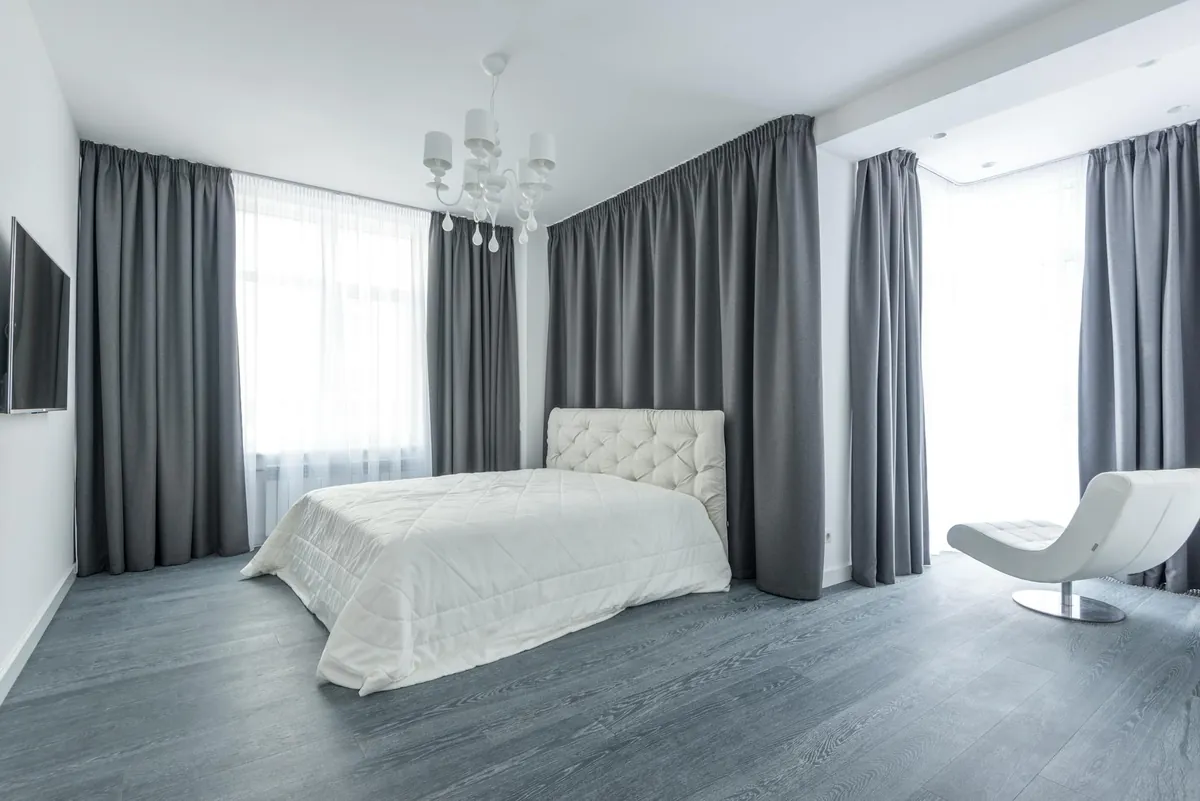
This means blackout curtains are your best friend. I invested in some, and the difference was immediate. Also, cover up any little LED lights on electronics. I use painter's tape for this, and it works like a charm.
Temperature Matters, A Lot
Ever notice how you sleep better on a cool night? That's because our body temperature naturally drops as we prepare for sleep. A room that's too warm can make it incredibly hard to fall and stay asleep.
My sweet spot is usually between 60-67 degrees Fahrenheit. It might feel a bit chilly at first, but your body will thank you. Investing in a good fan or a smart thermostat can make a huge difference.
Soundscape for Sleep
Noise is another major sleep disruptor. Whether it's traffic outside, a snoring partner, or even just the hum of the refrigerator, sudden or inconsistent sounds can jolt you awake.
I found that a white noise machine or even a fan can create a consistent, soothing soundscape that masks disruptive noises. There are also apps for this, but a dedicated machine often does the trick better. It's about creating a predictable auditory environment.
Pro-Tip: If you're sensitive to noise, consider earplugs designed for sleep. They're not one-size-fits-all, so experiment to find a comfortable pair. Some are made of softer materials and are barely noticeable.
Comfort is King (or Queen!)
This goes beyond just the mattress. Think about your pillows, your sheets, and even your pajamas. Are they comfortable and breathable?
I learned the hard way that scratchy sheets or a pillow that's too firm can keep me awake. Investing in quality bedding that feels good against your skin can make a surprisingly big impact. This is a key part of any related healthy tip.
Declutter Your Mind and Your Room
A messy room can lead to a messy mind, and that's the last thing you need when trying to relax. I used to let laundry pile up and work papers scatter, and it definitely stressed me out more.
Try to keep your bedroom a sanctuary. Make it a place for sleep and intimacy only. Avoid working in bed or having screens visible if you can help it. This is a critical step in another practical guide to better sleep.
The Importance of Routine
Your bedroom environment is part of a larger sleep routine. Consistency is key to training your body to wind down.
Making these environmental changes is just one piece of the puzzle. Pairing them with a consistent bedtime and a relaxing pre-sleep ritual will amplify the benefits. This is a similar wellness insight you'll find helpful.
Your Sleep Haven Checklist
Ready to transform your room? Here's a quick rundown:
- Darkness: Blackout curtains, cover LEDs.
- Cool Temp: Aim for 60-67°F.
- Sound: White noise machine or fan.
- Comfort: Quality bedding and pillows.
- Clutter-Free: Tidy up, reserve for sleep/rest.
Sticking to these changes might take a little effort, but the payoff in terms of improved sleep is absolutely worth it. Remember, it's about progress, not perfection. Keep experimenting to find what works best for you and stay consistent with this approach. To truly master your sleep, I encourage you to explore more sleep guides.
Educational only — not medical advice.
More in sleep
 sleep
sleepStruggling to Sleep? Try This Reset
Discover non-supplement ways to fall asleep faster. Learn practical tips and habits to improve your sleep quality.
Read article → sleep
sleepWhat's the Best Way to Wind Down Before Bed?
Discover simple, effective bedtime routines and wind-down habits to improve your sleep quality and feel more rested. Lea
Read article →Related posts
sleepStruggling to Sleep? Try This Reset
Discover non-supplement ways to fall asleep faster. Learn practical tips and habits to improve your sleep quality.
Read article →sleepWhat's the Best Way to Wind Down Before Bed?
Discover simple, effective bedtime routines and wind-down habits to improve your sleep quality and feel more rested. Lea
Read article → sleep
sleepWhat's the Best Way to Prepare for Sleep?
Discover simple and effective bedtime routines and wind-down habits to improve your sleep quality. Learn practical tips
Read article →